
When is the Best Time to Do the Langtang Gosaikunda Trek?
Spring (March to May) and Autumn (September to November) are the best times for the Langtang Gosaikunda Trek. When selecting any kind of adventure, it is also important to look for the ideal times to get rewarded with the maximum perks.
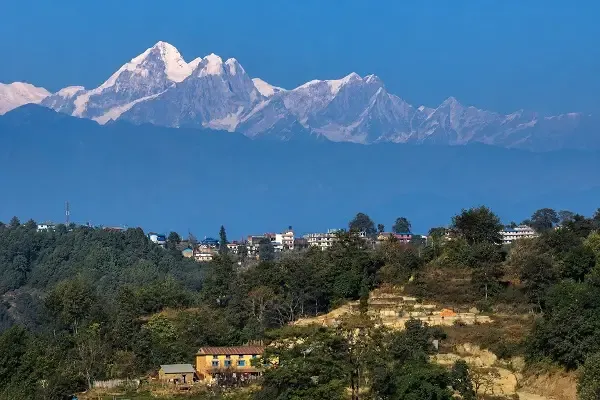
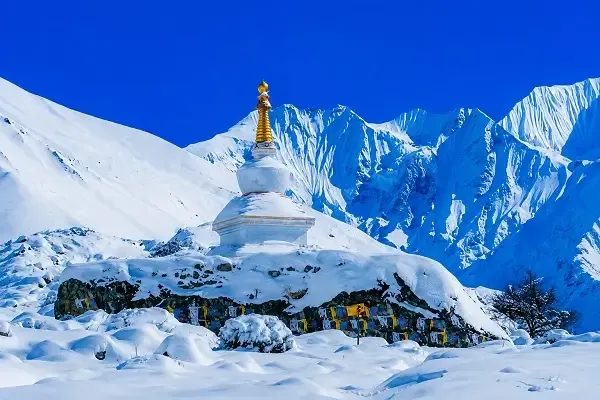
Adventurers are generally drawn to the Langtang Gosaikunda trek to see the sharp, clear mountain vistas. So, to get rewarded with the clearest mountain views, it is essential to select the best time, which is autumn and spring.
In autumn, the landscapes are nourished because of the rains of the monsoon and visibility is great. In addition, the weather is moderate with comfortable daytime temperatures which helps you fully enjoy the overall journey.
Likewise, spring is also a great time for the Langtang Trek. The trails of the Langtang region during the spring months are full of blooming flora, including the vibrant rhododendrons. In addition, the days are longer in spring which allows you to rest, explore and enjoy the scenic views comfortably at your own pace without any kind of rush.
The climatic conditions in both of these seasons are stable with a lower likelihood of heavy snow or downpours. So, you can walk comfortably on the dry and well-defined paths of the Langtang Region.
The combination of ideal weather and trail conditions, along with the unparalleled visibility, makes Autumn and Spring the best time for the Langtang Goksaikunda Lake.

How Difficult is the Langtang Gosaikunda Trek?
Langtang Gosaikunda Trek is considered a moderately challenging journey. The trail requires you to trek through the forest trails, rugged and rocky terrain, and cross thrilling suspension bridges.
You will be taking long ascents during this adventure, which can be demanding. In addition, the path continuously changes, which means that trekkers will need to have endurance and good physical fitness to comfortably enjoy the journey.
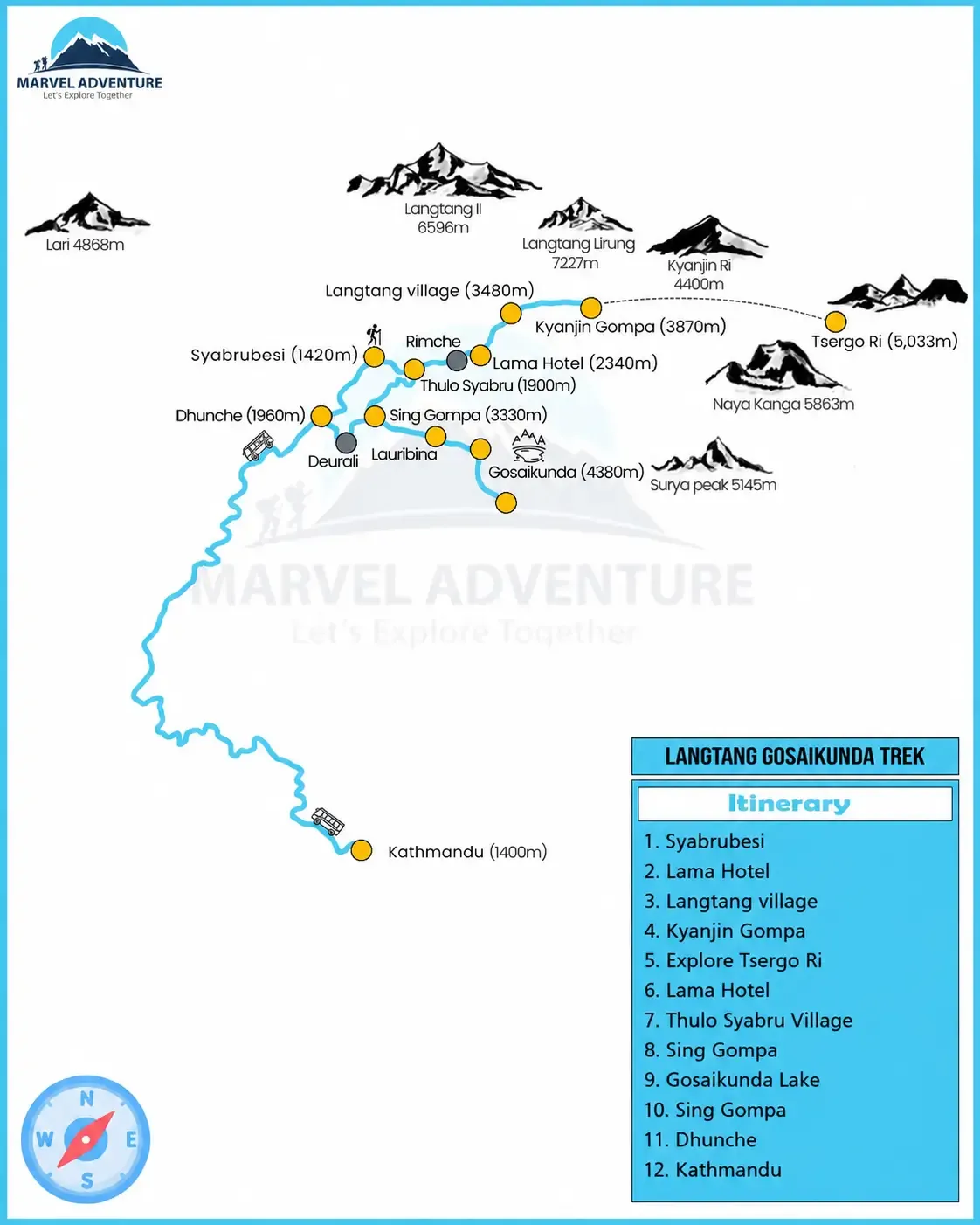
One of the major contributing factors to this trek's difficulty is the altitude gain. The trek involves navigating the different high-altitude terrain and takes you to places like Kyanjing Gompa (3,870m), Tserko Ri (5,033 m), and Lauribina Pass (4,610 m), Gosaikunda Lake (4,380 m).
At these altitudes, there is a risk of getting altitude sickness, especially if trekkers can’t adapt to the higher altitude. Navigating the high altitude areas can be challenging and altitude sickness symptoms may develop. So, proper acclimatization, hydration and gradual pace are necessary in order to avoid possible altitude-related issues.
Furthermore, the weather patterns of the Himalayas can also affect the trek. Generally, these treks are the best during the peak seasons (Autumn and Spring).
Monsoon’s heavy rain and winter season's snowy trails make the trek more strenuous than it already is. So, you may select the ideal times (Autumn and Spring) for trekking to reduce the likelihood of trek delays because of the weather-related issues.
But weather conditions are usually unpredictable at higher altitudes, even during the peak seasons. So, layering and staying flexible for route changes when conditions aren't favourable is recommended.
While the Langtang Gosaikunda trek indeed has some challenging sections it can be managed by proper preparation, packing, gradual pacing and choosing the right time.

How to Prepare for the Langtang Gosaikunda Trek?
Being physically prepared is the most crucial thing for the Gosaikunda Langtang Trek.
On this trek, you will be ascending steep sections and also walking through the high-altitude areas. So, good stamina and endurance are required.
You may prepare for the trek for 3 to 4 months in advance. Squats, step-ups, deadlifts, lunges, and planks are some basic strength exercises that you can do while trekking. You can also include cardiovascular workouts such as running, cycling, swimming or climbing stairs.
These cardio workouts can help you enhance stamina. If you train for the trek regularly, it will be more comfortable to tackle the trek’s difficulty.
Mental preparation also plays a huge role in a smooth and successful conclusion of the trek. While trekking, the weather can unexpectedly change.
Some days feel tougher than others. Likewise, being in remote places for several days can also cause mental fatigue. So it is important to stay positive and flexible. You may Interact with the guides or trekking crew. Communiticating and encouraging each other can help whole trekking team get motivated.
Be careful to walk at a steady pace. Make sure take breaks whenever necessary. Set realistic expectations. During tough times you can think about the incredible rewards you get when you reach your intended destination.
You may try meditation or deep breathing exercises. These simple steps can help you get mentally prepared for Langtang Gosaikunda Trek. By being mentally prepared you can tackle the difficulties that may arise during the journey more efficiently.
What to Pack for the Langtang Gosaikunda Lake Trek?
Packing thoughtfully for the Langtang trek is essential because the terrain, altitude and weather can change quickly in the region making preparation essential to comfort and safety.
The trail moves from lower sections with moderate weather to cold, high altitude sections. So, having right gear is necessary. With thoughtful packing you can handle the temperature changes. Likewise, by packing all essentials, you can also maintain hygiene during long trekking days.
Knowing you have the right essentials keeps you calm and focused. For a smoother, joyful and meaningful Langtang trekking experience you can pack the following essentials:
Clothing
- Moisture-wicking layers
- Trekking shirts
- Fleece jackets
- Waterproof trekking pants
- Down jackets
- Scarf
- Waterproof jacket
- Down vest
- Windproof jacket
- Trekking pants
- Waterproof trekking pants
- Warm hats
- Beanie
- Caps
- Neck gaiter
- Buff
- Waterproof gloves
- Lightweight gloves
- Raincoat
- Waterproof pants
Footwear
- Trekking sandals
- Slippers
- Liner Socks
- Hiking boots
- Woolen Socks
- Sleeping bag
- Backpack
- Flashlight
- Headlamp
- Route map
Trekking Gear
- Sleeping bag
- Backpack
- Torchlight
- Headlamp
Other Essentials
- Langtang gosaikunda Trek Map
- Toothbrush & toothpaste
- Quick drying towel
- Lip balm
- Sunscreen
- Deodorant
- Refillable water bottle
- Hand sanitizer
- Wet wipes
- Hairbrush
- Comb
- Toilet paper
- Shampoo
- First aid kit with basic medicines
- Oral rehydration salts
- Water purification tablets
- Mobile phone
- Energy bars and Snacks
- Dry Bags
- Emergency Whistle
How to Join the Langtang Gosaikunda Trek?
Booking a trek package with us is smooth and hassle free. For booking the Langtang Gosaikunda Trek package, please contact us. You can WhatsApp us directly on +977-9860313572, email us at [email protected], [email protected] or fill out the inquiry form on our website. Once we hear from you we will contact you and share all the necessary information with you.
After having reviewed the itinerary, understanding the group size, and going through the list of services included in the package, you can select the best departure date for you. Once you confirm your booking we will send you a detailed packing checklist, practical trekking tips, and assist you with the travel arrangements.
We stay in touch with our clients during the planning period ensuring you feel fully prepared before the trek begins. We are always here to support you and answer all your queries about the trek, which will help you make the well informed decisions.

What Can You Expect During the Langtang Gosaikunda Trek?
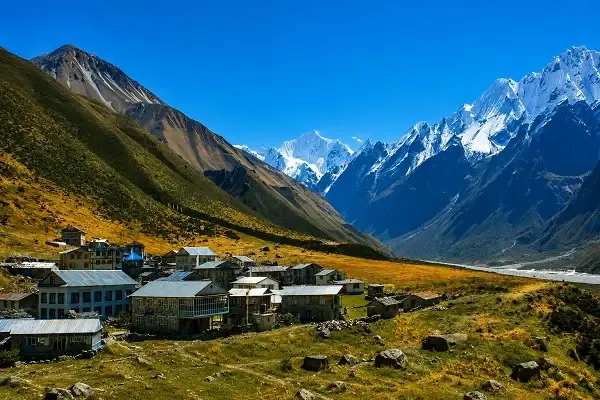
The Langtang Gosaikunda Lake Trek offers an exciting Himalayan journey presenting stunning views of lush valleys, villages and sacred high altitude lakes. This trek is also popularly known as the Langtang Gosaikunda Lauribina pass trek.
The trail constantly shifts from the forests of Syabrubesi toward the open landscapes of higher sections of Langtang. During the trek, you will walk through green valleys, charming villages, and several peaceful monasteries.
The small settlements along the way help you to explore local culture and hospitality, making the walk even more meaningful. In addition, the Langtang Gosaikunda Trek‘s trail leads you through peaceful monasteries, which helps you feel the spiritual atmosphere of the region.
The scenery becomes even more stunning as you move higher toward Gosaikunda. Along with the Gosaikunda lake you can see several mesmerizing high-altitude lakes. At this place, you can see clear water surrounded by rugged hills, which provides a peaceful atmosphere and striking views. Here, you may also see pilgrims visiting the lake and praying, which helps you feel its spiritual importance.
With all these experiences combined, the Langtang Gosaikunda Trek offers a joyful and exciting journey. Thus, during the Langtang Gosaikunda Trek, you can expect a serene journey filled with natural beauty and joyful cultural encounters.
About Altitude Sickness and Some Acclimatization Tips
During the Langtang Gosaikunda Trek, you will trek through several high-altitude zones. So, you will be gaining altitude as the trek progresses. As the altitude keeps increasing it is important to stay aware. Likewise, you need to be cautious about how your body reacts as you ascend.
Some symptoms of Altitude Sickness include:
- Headache
- Nausea or vomiting
- Difficulty Sleeping
- Fatigue
- Appetite Loss
- Breathlessness
While the risk of altitude sickness indeed exists during this trek, especially for those who aren't accustomed to the higher zones, the risk can be minimized following these measures.
- Keep yourself hydrated and well-nourished during the entire trek.
- Take acclimatization breaks in order for the body to adapt to increasing altitudes.
- Ascend gradually without tiring yourself.
- Bring altitude-related medications like diamox after consulting your doctor about usage.
- If you experience the symptoms and it doesn't go away, make your way towards the lower sections.
Why Should You Trek with Guides and Porters During the Langtang Gosaikunda Trek?
Trekking with guides and porters is strongly encouraged for the Langtang Gosaikunda Trek. The trail of this adventure passes through dense forests and small high altitude villages. The trek requires you to make steep climbs through the rugged sections. In these areas navigation can be quite tricky.
Guides know all about the trek route. They can understand the changing weather patterns of the Langtang region. In addition, they can help you manage the pace as the altitude increases. They also share local culture and take you to the scenic viewpoints. Likewise, they will help you ensure your safety during difficult sections, especially when you are navigating difficult sections.
Meanwhile, the porter provides valuable support by carrying your heavier bag. So, you can walk comfortably on the varied Langtang trails while avoiding overexertion. The Langtang region includes long uphill climbs and challenging terrain.
With a porter handling the load, you can trek smoothly, enjoy the scenery and reduce risk of altitude related fatigue. Your choice to trek with a guide and porter improves your own experience and safety on the trail.
If you book a package with us here at Marvel Adventure, a licensed guide and experienced porter will accompany you with their salary, meals, accommodation and insurance included within the Langtang Gosaikunda Trek package cost.
How to Ensure a Smooth and Successful Langtang Gosaikunda Trek?
- Research about the trek and trail conditions.
- For smooth navigation, choose the best time of the year for trekking
- Follow the guidance provided by your trekking guide.
- Know about your Langtang Gosaikunda trek itinerary and also the routes.
- Try to include nutrient-rich meals while trekking and also be well hydrated.
- If you feel uneasy at any moment, inform your guide.
- Dress in layers, and also bring a small first aid box in your day pack.
- Walk only through the designated paths.
Frequently Asked Questions

What Are the Permits Needed for the Langtang Gosainkunda Trek?
You will need Langtang National Park Entry Permit for the Langtang Gosaikunda Trek. During this journey, you will pass through serene Langtang National Park. You must have a permit to enter this area.
Issuing trekking permits allows authorities to track trekkers at checkpoints which enhances safety by making it easier to locate and assist them in case of emergencies. In addition, the permit funds are used for the trail maintenance, infrastructure development and management of trekking activities.
Do I Need to Carry Cash for the Langtang Gosaikunda Trek?
Yes, it is important to carry cash for the Langtang Gosaikunda Trek. Most of the teahouses and lodges on the way do not accept payments, mostly in cash. In addition, it's difficult to find reliable ATMs in remote villages.
So, it is highly advisable to carry enough Nepali rupees to cover the extra expenses in teahouses and other small personal expenses along the way. Make sure to carry some extra cash for emergencies, such as sudden weather delays or unplanned overnight stays. Having cash on hand helps you have peace of mind on a trek through the beautiful but remote Langtang region.
What is the Duration of the Langtang Gosaikunda Trek?
Langtang Gosaikunda Trek can be completed in 10 to 12 days. At Marvel Adventure we have crafted 12 day itinerary with 10 walking days. The walking phase begins from Subabubesi and ends at Dhunche.
This is the standard itinerary. However, the trek’s itinerary can be adjusted according to the preferences of the clients.
What are the Accommodation Facilties Like During the Langtang Gosaikunda Trek?
During the Langtang Gosaikunda Trek, you stay in small and local teahouses. This helps you experience a true experience of mountain life. At the mountain teahouses of the Langtang region, most rooms have two single beds with blankets. Bathrooms are often shared. Though at some places, attached bathroom facilities may also be available.
Bringing personal sleeping bag is important as it helps you stay warm and comfortable. Most of the teahouses have common dining room. Here, you can have meals together. You can also meet other trekkers in warm space. Hot showers and Wifi are sometimes available for an extra small charge.
Charging facilities are also available. However, you may need to pay a little to charge your devices. Staying at the local teahouses in the Langtang region provides you with a chance to experience the warm hospitality and observe the simple lifestyle in the mountains.
What Kind of Food Is Served at the Teahouses Along the Langtang Gosaikunda Trail?
During the Gosaikunda Lake Trek, the teahouse along the trail has several options of dishes on its menu. These teahouses normally serve traditional Nepali dishes. At some places, you may also find popular international dishes. Hot beverages, coffee and tea are also available at the eateries throughout the trek.
Dal Bhat is the most popular dish that many trekkers prefer during the trek. It is a hearty Nepali meal. You will also find other options such as warm porridge, Tibetan bread, omelettes, eggs, pancakes, sandwich toast, and muesli. fried noodles, noodle soup, Sherpa stew, Chapati, vegetable curry, momo, chowmein and potatoes.
The food along the Gosaikunda Lake Trek is designed to fuel your body for long days on the trail. Still, we recommend that you bring some energy snacks to stay energized in between meals.
Is Travel Insurance Needed for Langtang Gosaikunda Trek?
Yes, you will need travel insurance for the Langtang Gosaikunda Trek. It is a high altitude trekking adventure that is incredibly rewarding. However, like every adventure, this journey has its own risks. So, you have to select policy that helps you stay financially secure against such uncertainties.
For this trek, you need to select the insurance policy that covers high altitude trekking up to at least 5,000 m. It also should cover the emergency medical costs, trip cancellation, lost baggage and helicopter evacuation.
Are Trekking Poles Necessary for the Langtang Gosaikunda Trek?
Yes, trekking poles are strongly recommended for the Langtang Gosaikunda Trek. During this journey, you will navigate the varied high altitude paths that are uneven and steep in several sections. So, for enhancing balance and comfortably navigating the uphill and downhill sections, trekking poles are necessary.