What is Considered a High-Altitude Trek
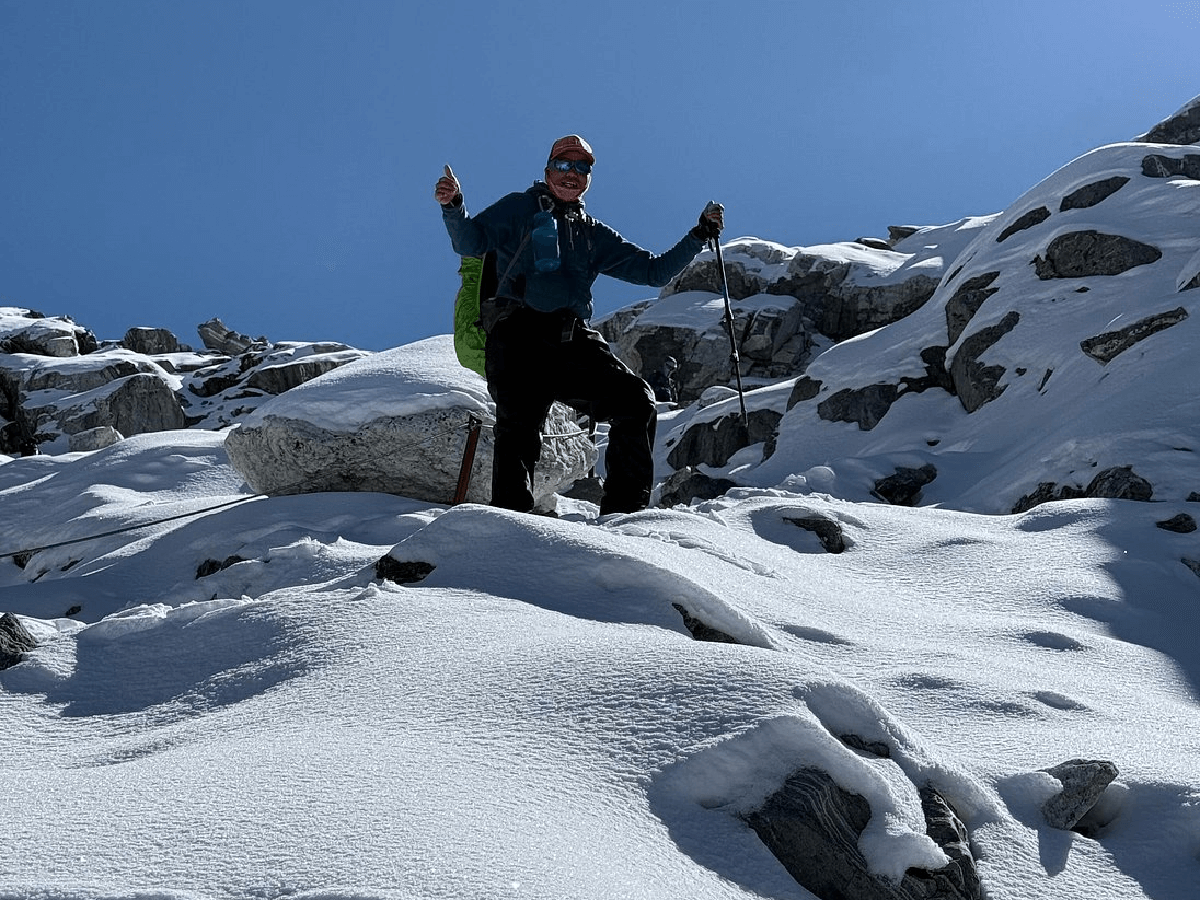
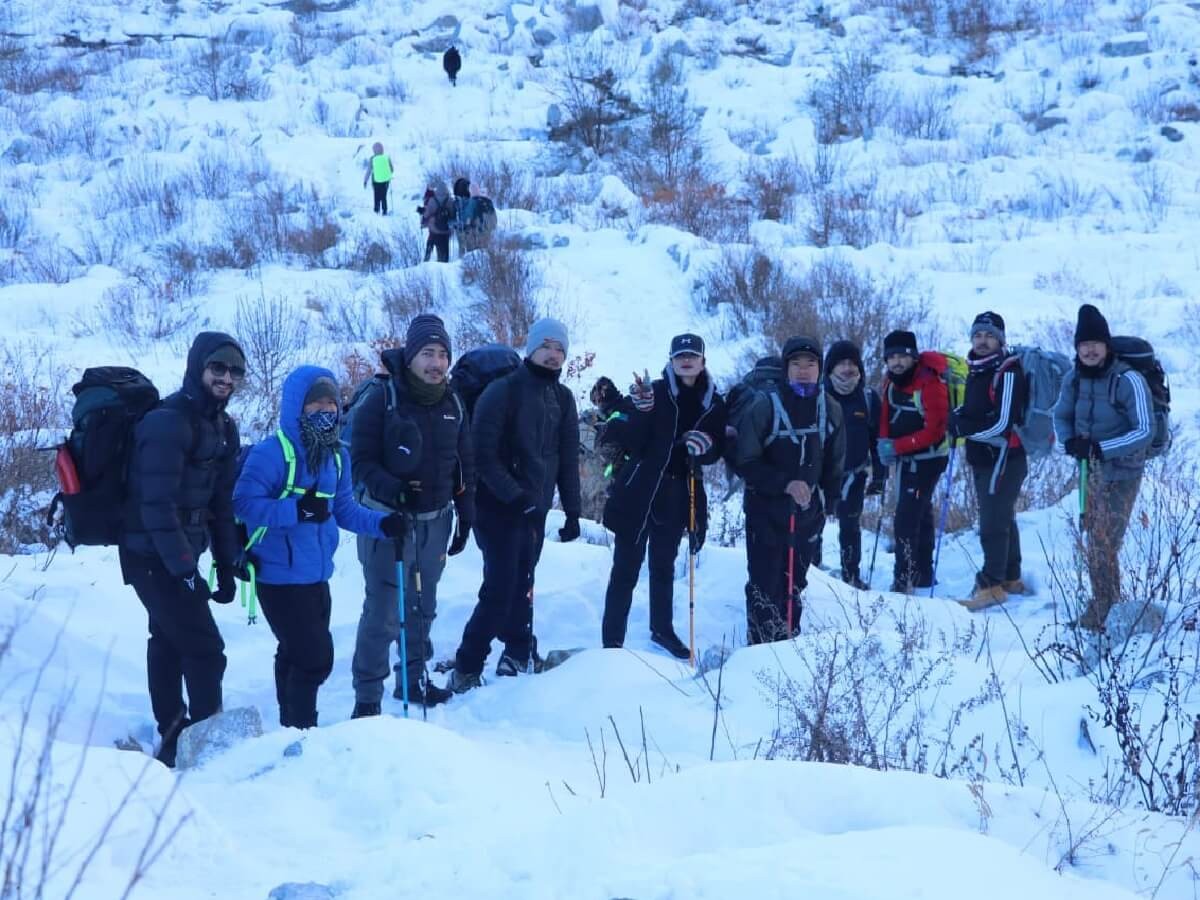
Treks above 5,000 meters fall into the “High-Altitude Trek” category, where the oxygen level drops significantly to nearly 50% of sea level. At this elevation, most of our clients tell us how the thin air affects their breathing, energy levels, sleeping quality, and even their appetite.
Physical Challenges at extreme altitude
- Reduced oxygen intake
- Increased heart rate and breathing rate
- Slower physical recovery
- Dehydration
- Difficulty in sleeping and maintaining appetite
Mental Challenges at extreme altitude
- Decision-making becomes harder
- Dealing with discomfort
- Concentration decreases
- Emotional challenges
The difference between normal trekking and high-altitude trekking isn’t just about elevation. Normal treks in Nepal typically max out around 3,000-4,000m, where most trekkers can acclimatize relatively easily. But once you reach 5,000m, reduced oxygen level impacts normal body function and put physical stress on your body.
What most trekkers don’t realize is that high altitude trekking isn’t just physically demanding but also a mental challenge where your mind needs to override the discomfort signals of your body.
Best High Altitude Treks in Nepal
Nepal is home to some of the best high-altitude trekking trails. Each trek offers a beautiful combination of mountain views, culture and thrilling experiences. Here is a well-prepared list of the best high-altitude treks above 5000 meters for the ultimate adventure seekers.
Everest Base Camp with Kalapatthar Trek
- Max Altitude: 5,545m (Kalapatthar)
- Duration: 12-14 days
- Difficulty: Moderate to Challenging
- Permits: Sagarmatha National Park entry permit, Khumbu Pasang Lhamu Rural Municipality permit
Many trekkers are surprised to learn that the Everest Base Camp Trek reaches its maximum altitude at Kalapatthar (5,545m), not at base camp (5,364m), making it the most important viewpoint for views of Mount Everest.
We have noticed that trekkers often underestimate the final push to Kalapatthar, as it's typically done early in the morning before sunrise, in freezing temperatures, with the thin air making every step feel like more. The ones who make it with ease are those who respect the acclimatization days in Namche Bazar and Dingboche.
The EBC trail takes you through Sherpa villages like Namche Bazar and Tengboche, past ancient monasteries, and across suspension bridges over glacial rivers. On this trek, we will guide you through 360-degree panoramas of Lhotse, Nuptse, Ama Dablam and many other peaks.
Key Highlights:
- Close-up views of Mount Everest from Kalapatthar
- Experience the Sherpa culture and Buddhist monasteries
- Trek along the world's highest glacier, Khumbu Glacier
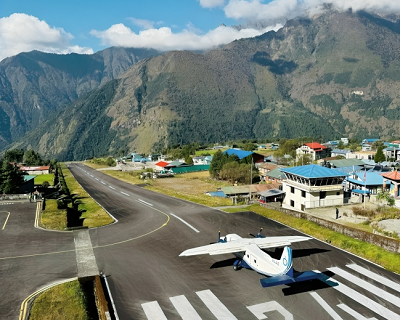
- Experience the popular Lukla flight
- Get the classic Everest Base Camp experience during climbing season
Depending on your schedule, we can also customize your itinerary to an 8-day Everest Base Camp Trek with Helicopter Return.
Gokyo Renjo La Pass Trek
- Max Altitude: 5,360m (Renjo La Pass)
- Duration: 1-12 days
- Difficulty: Challenging
- Permits: Sagarmatha National Park entry permit, Khumbu Pasang Lhamu Rural Municipality Permit
Combining the iconic Gokyo Lake with the Renjo La Pass crossing, this trek delivers one of the most scenic high-altitude trekking experiences in Nepal. There are often fewer trekkers on this trek than on the classic EBC trail, yet it delivers mountain views that often surpass the standard EBC trek.
The Renjo La crossing involves a high, snow-covered pass where careful footing is essential, and basic crampons may be necessary. The descent rewards you with stunning views of the Gokyo Valley and the massive Ngozumpa Glacier, the longest glacier in the Himalayas.
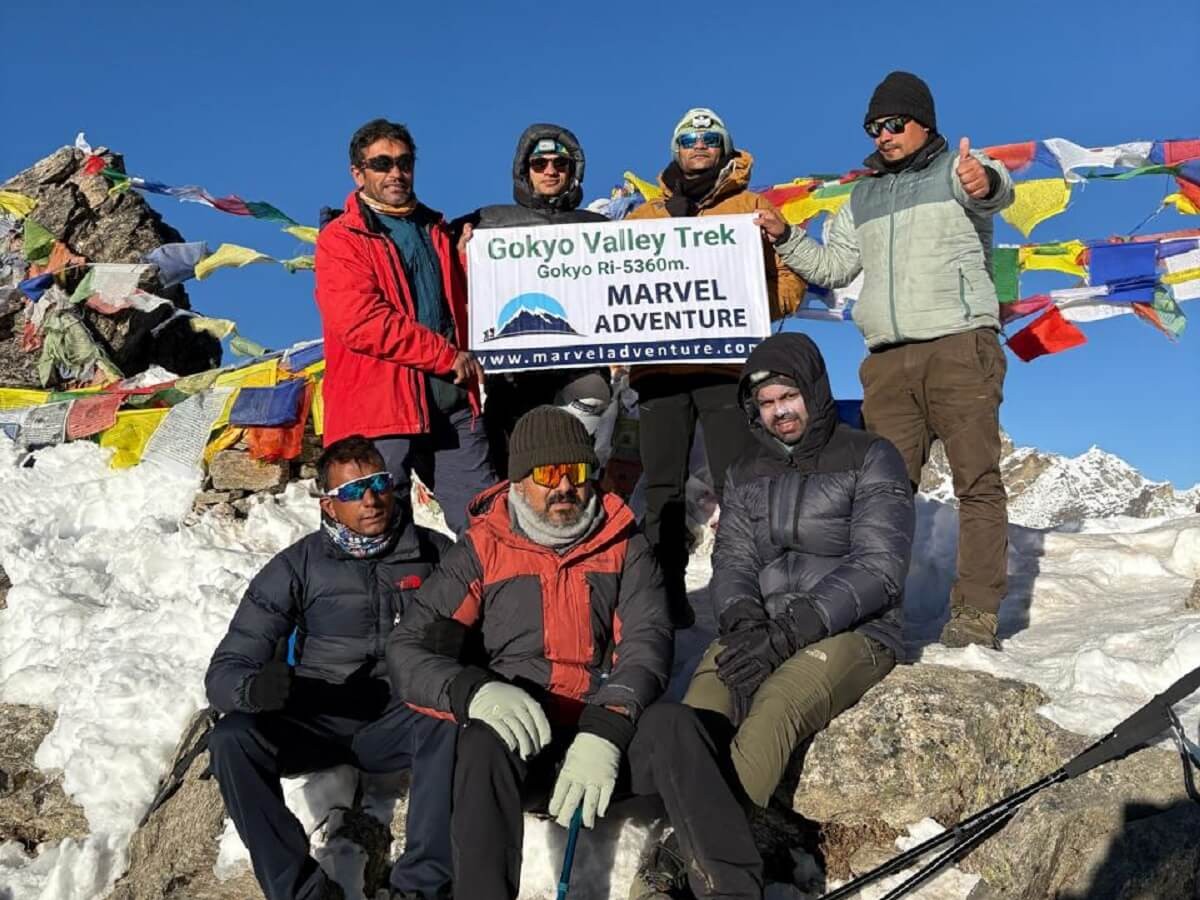
You will also be visiting the Gokyo Ri peak, famous for its stunning views of Lhotse, Makalu, Cho Oyu, and many more.
Key Highlights:
- Experience the 5 sacred Gokyo Lakes with turquoise water
- Everest panoramas from the Gokyo Ri viewpoint (5,360m)
- Explore the Ngozumpa Glacier
- Trek through the quieter and more remote trails of the Everest Region
- Explore the amazing Gokyo Valley
Most of our clients tell us the climb to Renjo La feels tougher than expected, as the path can be icy, the altitude hits hard, and the weather can change within minutes
Everest Three High Passes Trek
- Max Altitude: 5,545m (Kalapatthar)
- Duration: 15-18 days
- Difficulty: Extreme
- Permits: Sagarmatha National Park entry permit, Khumbu Pasang Lhamu Rural Municipality Permit
Everest Three High Passes Trek is one of the most extreme treks in Nepal. You will be crossing the three high passes above 5,000m: Kongma La (5,535m), Cho La (5,420m), and Renjo La (5,360m). This grand circuit of the Khumbu Region combines the best of EBC, Gokyo, and high pass crossings into one epic adventure.
This trek isn’t suitable for first-time trekkers as you will spend nearly three weeks at elevations above 4,000 meters, with multiple days crossing snow-covered passes. Fair to say, this trek requires excellent physical condition and previous trekking experience.
Key Highlights:
- Three spectacular high pass crossings
- Complete circuit of the Khumbu Region
- Trek to the Everest Base Camp
- Explore the magnificent Gokyo Lakes and Gokyo Ri
- Complete the Everest Region experience
A common mistake trekkers make is underestimating the overall fatigue from crossing the three high passes, as each crossing takes a full day of challenging trekking routes, and recovery time between passes is minimal.
EBC Chola Pass Gokyo Trek
- Max Altitude: 5,545m (Kalapatthar)
- Duration: 14-17 days
- Difficulty: Very Challenging
- Permits: Sagarmatha National Park entry permit, Khumbu Pasang Lhamu Rural Municipality Permit
This trek connects Everest Base Camp with Gokyo Valley, featuring a high-altitude crossing of the technical Chola Pass. Most of our clients who seek more than standard EBC but aren’t ready for the full Three Passes challenge choose the EBC Chola Pass Gokyo Trek as their ideal Nepal adventure.
Chola Pass is considered the most technically challenging of the three major passes due to glacier crossings and potential icy conditions. Many trekkers tell us that crossing the Chola Pass feels more like mountaineering than trekking, especially when the snow coverage is heavy, and the route requires careful navigation.
Key Highlights:
- Crossing the technical Chola Pass
- Experience the combination of two classic routes
- Explore the Gokyo Lakes and Gokyo Ri viewpoint
- Get the classic Everest Base Camp and Kalapatthar summit experience
The key to this trek is timing your Chola crossing: attempt it too early in the season, and it could be dangerously icy, whereas if too late in the monsoon, the pass may be impassable due to snow.
Kanchenjunga Circuit Trek
- Max Altitude: 5,140m (Kanchenjunga Base Camp)
- Duration: 16-20 days
- Difficulty: Extreme
- Permits: Kanchenjunga Restricted Area Permit
Kanchenjunga, the world’s third-highest peak, offers one of Nepal’s most remote trekking trails and a culturally rich experience. In this trek, we will take you through both the south and north base camps of Kanchenjunga, traversing high alpine meadows, remote villages, and crossing several high passes.
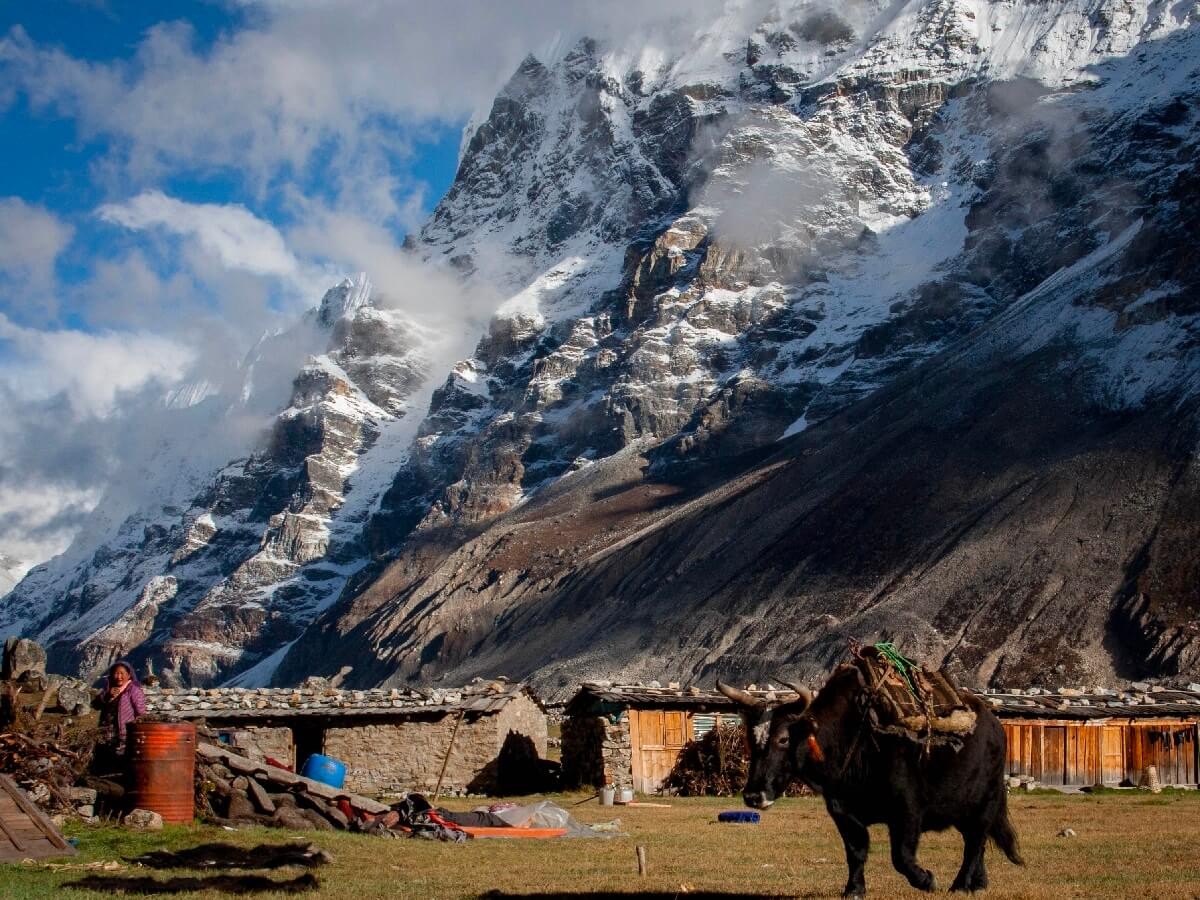
Trekkers feel real remoteness on the Kanchenjunga Circuit Trek as teahouse availability is limited compared to that of the Everest or Annapurna regions. You will also enjoy a rich cultural experience, walking through remote Limbu and Sherpa villages that see very few visitors.
Key Highlights:
- Close-up views of the world’s third-highest peak, Mount Kanchenjunga
- Visit both the North and South Base Camps of Kanchenjunga
- Engage in authentic cultural interactions with local communities
- Enjoy panoramic views from Lhonak and Pangpema viewpoints
- Experience rich biodiversity across diverse ecosystems
Usually, the trekkers who choose Kanchenjunga are experienced high-altitude trekkers seeking solitude and wilderness over the more developed tourist infrastructure of Everest or Annapurna.
Manaslu Circuit Trek
- Max Altitude: 5,106m (Larkya Pass)
- Duration: 8-14 days
- Difficulty: Challenging
- Permits: Manaslu Restricted Area Permit, Manaslu Conservation Area Project (MCAP) permit, Annapurna Conservation Area Project (ACAP) permit
Circling the 8th-highest mountain in the world, this trek takes us to the thrilling Larkya Pass crossing, along with spectacular mountain scenery and diverse culture. We regularly guide trekkers who want an off-the-beaten-path adventure in the Manaslu Circuit Trek.
Larkya La is a long, gradual ascent followed by a dramatic descent. This pass can be heavily covered by snow, making it one of the more challenging high pass crossings in Nepal. You can also customize your itinerary to an extended 19-day Manaslu and Tsum Valley Trek for an immersive trekking experience in the Himalayas.
Key Highlights:
- Crossing Larkya La Pass with panoramic Himalayan views
- Get a close-up perspective of Mount Manaslu
- Explore Buddhist monasteries and Tibetan-influenced culture
- Trek through the peaceful alternative to the Annapurna Circuit
- Explore subtropical and alpine landscapes
What trekkers don’t realize is that you cannot do this trek independently due to its restricted area status. We will provide you with an experienced guide to safely take you through the route while you can focus on enjoying the journey.
Annapurna Circuit Trek
- Max Altitude: 5,416m (Thorong La Pass)
- Duration: 10-15 days
- Difficulty: Challenging
- Permits: Annapurna Conservation Area Project (ACAP) permit
The classic Annapurna Circuit Trek itinerary crosses one of Nepal’s most famous high path crossings at Thorong La. This circuit takes you from Manang to the Thorong La Pass and back down to Muktinath. The trail passes through dramatically changing landscapes, from sub-tropical valleys and pine forests to a high mountain environment.
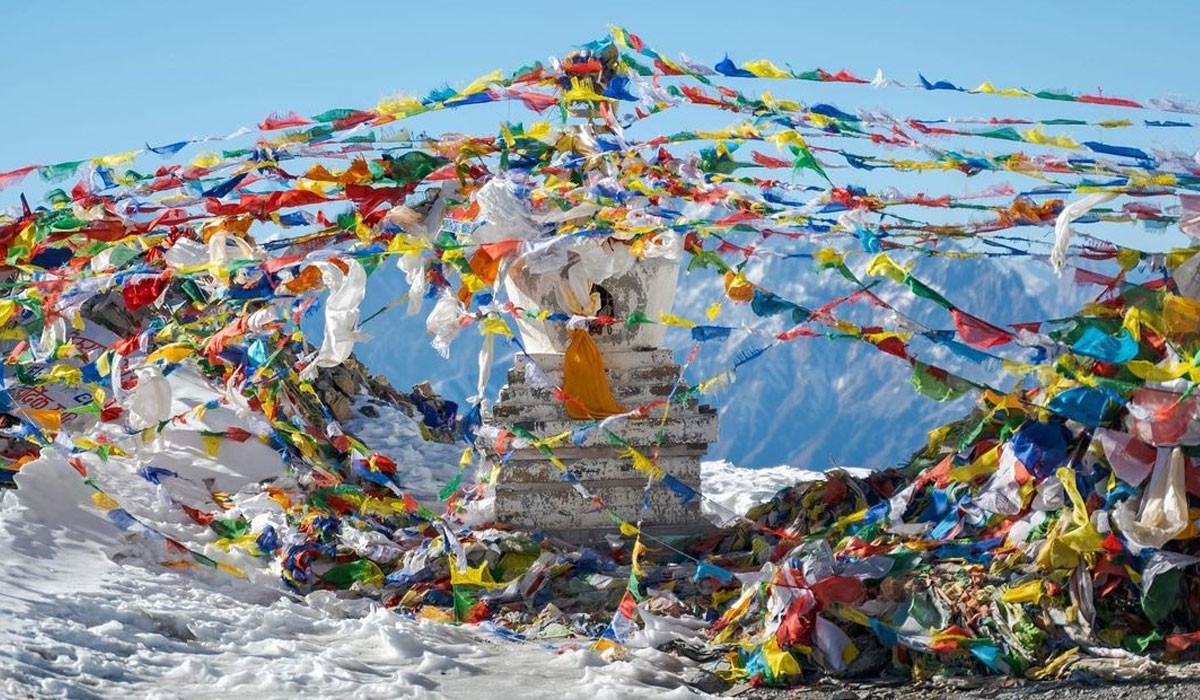
Crossing Thorong La often starts before sunrise, with temperatures well below freezing and unpredictable weather changes in the mountains. The gradual ascent from Manang is crucial, especially since the oxygen level at 5,000m drops significantly, affecting sleep and recovery.
Key Highlights:
- Experience the Annapurna and Dhaulagiri mountain ranges
- Strong cultural experience in Manang and Mustang
- Crossing Thorong La Pass (5,416m)
- Explore the Hindu and Buddhist communities along the trail
- Enjoy natural hot springs at Tatopani
Most of our clients seeking their first high-altitude trek in Nepal choose the Annapurna Circuit Trek, as it offers better teahouse availability and relatively reliable food at higher altitudes.
Makalu Circuit Trek
- Max Altitude: 6,190m (West Col Cross)
- Duration: 18-24 days
- Difficulty: Extreme
- Permits: Makalu Barun National Park Permit, Makalu Rural Municipality Permit
The Makalu Circuit Trek itinerary takes you through one of the least-travelled high altitude trails, looping around the world’s fifth-highest mountain (8,485m). From our years of experience in the Himalayas of Nepal, this trek definitely sits firmly in the category of extreme treks in Nepal.
Unlike the more famous circuits in Everest or Annapurna, this route takes you through varied landscapes, from subtropical jungles at 600m to glacial valleys above 5,000m while maintaining a genuine sense of remoteness that’s increasingly rare in Nepal.
Key Highlights:
- Experience multiple high pass crossings (Sherpani Col, West Col, Amphu Lapcha)
- Get close-up views of the world’s 5th-highest mountain, Mount Makalu (8,485m)
- Explore the incredible biodiversity of Makalu Barun National Park
- Trek through Rai, Limbu, and Sherpa villages
- Close-up views of Chamlang (7,319m), Baruntse (7,129m) and several other giants
Many trekkers don’t realize how physically draining the Makalu region feels. We’ve guided trekkers here who were surprised that even after weeks on the trail, fatigue never fully disappears.
Upper Dolpo Trek
- Max Altitude: 5,350m (Kang La Pass)
- Duration: 22-24 days
- Difficulty: Extreme
- Permits: Shey Phoksundo National Park Permit, Restricted Area Permit
The Upper Dolpo Trek is one of the most remote and culturally preserved regions. This trail takes you through several high passes exceeding 5,000 meters, making it one of the most demanding high altitude treks. The logistics on this trek are complex, as restricted areas permits are expensive and camping is required for many sections due to the lack of teahouses.
Upper Dolpo lies deep in western Nepal, far from commercial trekking routes. So, this trek requires significant planning. Our clients tell us that after a week in Dolpo, the time starts to feel different, with days revolving around walking, breathing, and adapting. But the reward they get is to experience one of the last truly isolated Himalayan regions.
Key Highlights:
- Crossing Kang La Pass (5,350m)
- Explore Shey Phoksundo Lake, Nepal’s deepest lake
- Experience ancient Tibetan-influenced culture
- Remote trekking trails with minimum human impact
- Trekking through high-altitude desert landscapes
We’ve led several Upper Dolpo groups, and what strikes our client most isn’t just the landscape but the profound sense of isolation and stepping back in time to experience Himalayan culture as it’s existed for centuries.
Difficulty Level and Fitness Requirement
From years on the trail guiding high-altitude treks above 5,000 meters in Nepal, we can confidently say these routes require serious preparation. Training plays a crucial role in ensuring safety, enjoyment, and success.
The daily walking hours during these treks typically range from 5-7 hours on moderate days and 8-10 hours on high-pass crossing days. High-altitude trekking comes with steep ascents and descents on rocky, uneven terrain, all while carrying a daypack at altitude.
Physical Requirements include:
- Cardiovascular endurance for long walking hours
- Previous multi-day trekking experience is highly recommended
- Leg strength for steep ascents and descents
- Core stability
Mental Preparation includes:
- Ability to handle discomfort for weeks
- Patience with slow progress at high elevation
- Mental resilience when altitude symptoms appear
- Accepting the possibility of turning back if conditions or health require it
A common mistake we see is trekkers who are fit at sea level assuming that fitness translates directly to high-altitude. In reality, it doesn’t because your cardiovascular fitness doesn’t compensate for reduced oxygen availability.
Altitude Sickness and Safety Tips
Altitude Sickness (Acute Mountain Sickness or AMS) is the single biggest risk when trekking above 5,000 meters. It’s essential to understand symptoms and take preventive measures for safe trekking practices, as they can affect anyone regardless of their age or fitness level.
Symptoms of High-Altitude Sickness
- Headache, nausea, or loss of appetite
- Dizziness and difficulty sleeping
- Confusion or altered mental state
- Loss of coordination
- Fatigue or weakness with vomiting
- Extreme shortness of breath
Critical Acclimatization Rules
- Ascend gradually
- Drink 3-4 litres of water daily
- Include dedicated acclimatization days in your itinerary
- Avoid alcohol and sleeping pills at altitude
When to descend immediately
- Symptoms worsen despite having rest
- No improvements after 24 hours at the same altitude
- Your guide recommends descent
Some of our clients tell us that the hardest decision they made was choosing to descend when symptoms appeared, especially when they could see their goal. But here’s what we always say: the mountains will always be there; you need to be alive and healthy to return to them.
Emergency Evacuation Options:
- Helicopter rescue is available but expensive (ensure travel insurance covers emergency rescue)
- The weather can delay the evacuation sometimes
- Our office in Kathmandu will be in direct touch throughout your journey to mobilize any emergency support whenever needed
Best Time for High Altitude Trekking in Nepal
Timing is everything when it comes to Nepal's high altitude adventure above 5,000m. If you choose the right time, it will impact your overall trekking experience.
Spring Season (March-May):
- Pros: Stable weather, warm temperatures, rhododendron blooming and excellent visibility
- Cons: Crowds on popular trekking routes, higher prices
- Best for: Everest region treks, Annapurna Circuit, Manaslu Circuit
Spring trekking conditions are generally considered the best season for high-altitude trekking.
Autumn Season (September to November):
- Pros: Stable weather, comfortable temperatures, crystal clear skies with the best mountain views
- Cons: Peak season crowds on popular trekking routes, higher accommodation prices, limited flexibility in busy teahouses
- Best for: All high-altitude treks, especially Three Passes, Kanchenjunga, Makalu
Autumn season trekking offers the most reliable weather patterns and the clearest mountain views, creating spectacular photography conditions.
Winter Season (December to February):
- Risks: Extreme cold temperatures at high altitudes, heavy snowfall blocking passes, shorter daylight hours and very few teahouses
- Only for: Extremely experienced trekkers
In reality, winter-high-altitude treks above 5,000m are only attempted by the most experienced trekkers, and even then, routes like Upper Dolpo and Kanchenjunga are essentially impossible.
Monsoon Season (June to August):
- Risks: Heavy rainfall at lower elevations, leeches in forests, obscured mountain views and increased landslide risks
- Exception: Upper Dolpo and Upper Mustang (rain shadow areas) are actually better during the monsoon
Weather changes on mountains can be dramatic and sudden, regardless of the season. We’ve seen clear mornings turn into whiteout blizzards by noon and vice-versa. We always suggest building flexibility into your itinerary.
Packing List for High Altitude Treks
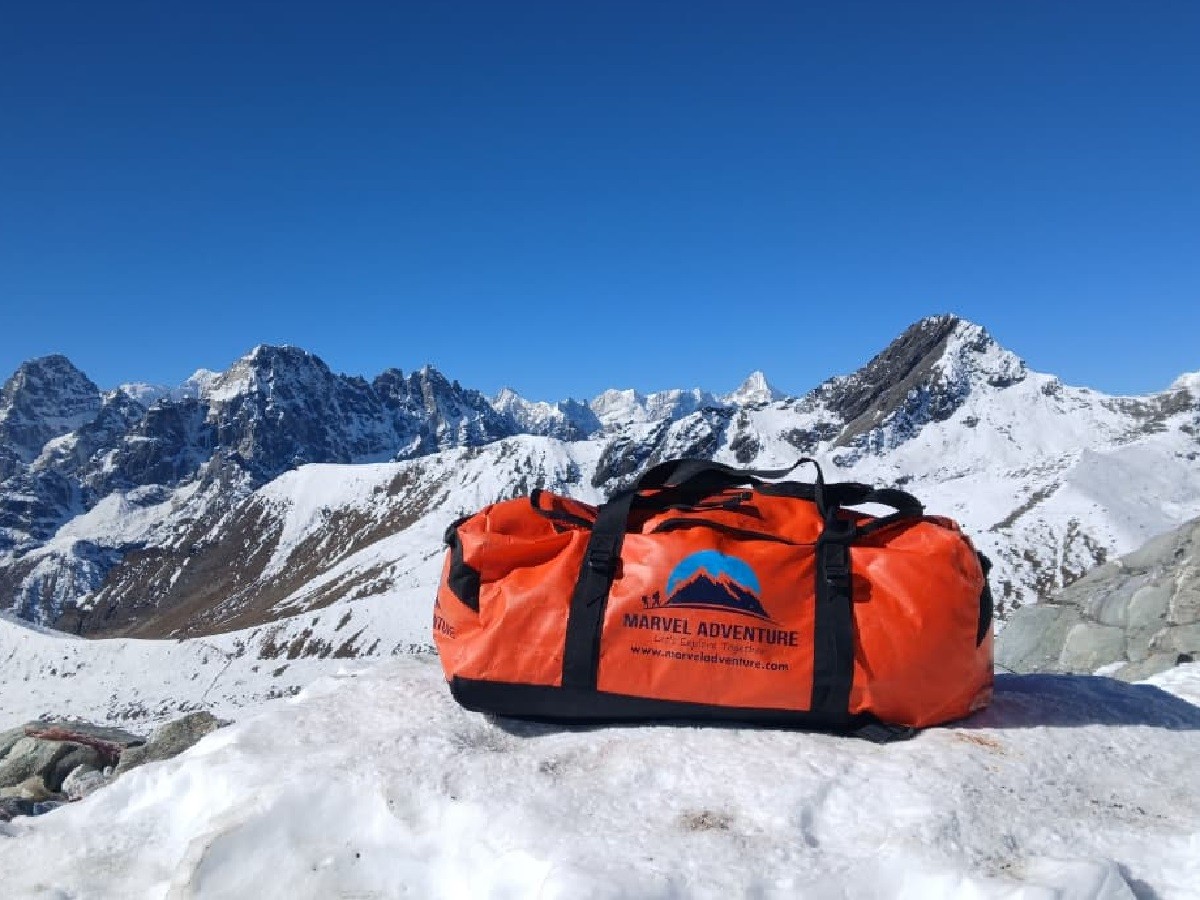
Here’s the list of what you absolutely need for high-altitude trekking above 5,000 meters:
Clothing:
- Thermal base layers
- Insulating mid-layers
- Waterproof and windproof outer jacket
- Waterproof trekking pants
- Insulated down jacket for high-altitude
- Warm hat, sun hat and insulated gloves
- Long and short-sleeve trekking shirts
Footwear:
- Waterproof trekking shoes with ankle support
- Camp shoes or sandals
- Multiple pairs of warm socks
- Gaiters for snow
- Gear:
- Sleeping bag for sub-zero temperature
- Trekking poles
- UV-protected sunglasses
- Sunscreen and lipbalm
- Insulated water bottles for high-altitude
- Water purification tablets or filters
Medical and Safety:
- Personal medications
- Blister treatment
- Hand sanitizer, toilet paper and wet wipes
- Diamox (after consulting your doctor)
Electronics:
- Camera with extra batteries
- Phone and portable charger
- Adapter plugs
- Powerbank
You might be surprised to hear that at an extreme altitude, batteries drain faster and water freezes in bottles overnight. So, always have backups for critical items.
Who should choose High-Altitude Treks?
After years of experience on high-altitude adventures, we can say that these treks above 5,000m aren’t for everyone, and that's perfectly fine. They require experience, mindset and physical capabilities.
Ideal candidates include:
- Trekkers with previous multi-day trekking experience
- Those who have successfully trekked at moderate altitudes (3,000m +)
- Individuals comfortable with basic accommodations and facilities
- Trekkers with excellent physical fitness
- Adventurers seeking serious physical and mental challenges
- Travellers with 2-4 weeks available for proper acclimatization
You should reconsider if:
- This would be your first multi-day trekking
- You have any pre-existing heart or lung conditions (consult your doctor)
- You have less than two weeks available
- You are not comfortable with basic teahouse facilities or camping
- You are unable to commit to pre-trek physical training
We’ve guided trekkers from teenagers to seniors successfully above 5,000m. The common factor wasn’t age; it was preparation, realistic expectations, and listening to their bodies and guides.
Frequently Asked Questions
Are high-altitude treks in Nepal safe?
Trekking above 5,000m always carries inherent risks, primarily altitude sickness. But with proper acclimatization, experienced guides, and conservative pacing, thousands of trekkers complete these routes safely each year
Which trek above 5,000m is best for first-time trekkers?
For first-time high-altitude trekkers, Annapurna Circuit (Thorong La) and Everest Base Camp with Kalapatthar are usually the best options.
A common mistake trekkers make is referring to “best” as “easy”. In reality, it means manageable with proper acclimatization and guidance.
Do I need oxygen for 5,000m treks?
No, supplemental oxygen is not required for trekking above 5,000m if you acclimatize properly. Most trekkers complete these treks without using oxygen.
How long does acclimatization take?
By the time you reach 5,000m, your body needs multiple rest or acclimatization days.
Most itineraries include:
- 1-2 days of acclimatization before 4,000m
- Additional gradual ascent above 4,500m
Can beginners trek above 5,000m?
Beginners can attempt high altitude treks above 5,000m only if:
- They are physically fit
- They trek with an experienced trekking guide
- They understand the risks of trekking at high altitude
In our experience, beginners who listen, walk slowly, and follow safety advice often perform better.
Conclusion
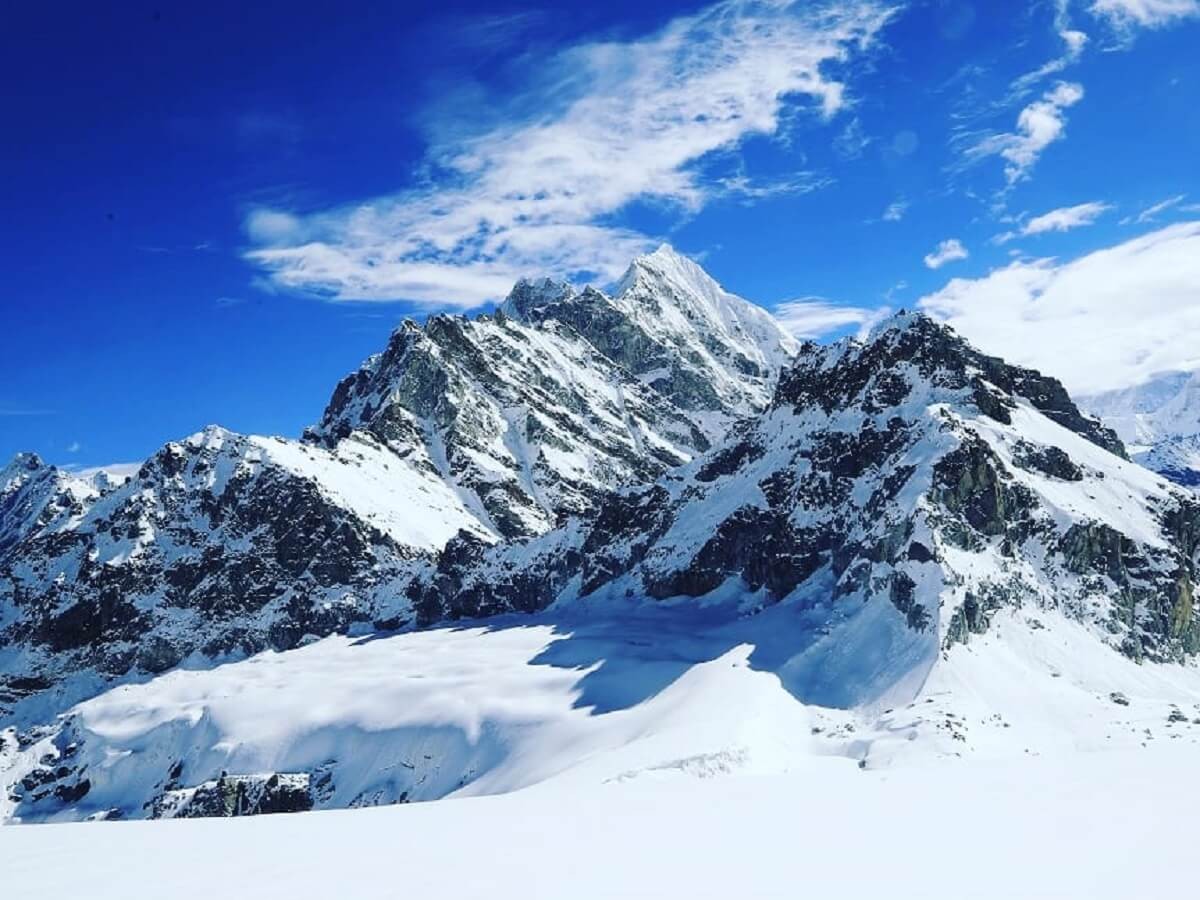
High altitude treks above 5,000m in Nepal represent some of the most rewarding adventures on Earth. We’ve watched trekkers transform on these trails, not because they conquered a mountain, but because they learned to work with it, respect it, and find strength they didn’t know they had.
Whether you’re standing on Thorong La watching the sunrise, crossing the icy path of Cho La with prayer flags snapping in the wind, or gazing at Everest from Kalapatthar, these moments become part of who you are.
These extreme treks demand everything: your preparation, your patience, your willingness to listen to your body and your guide. But what they give you back as a reward is immeasurable.
So maybe it’s time to stop wondering and start planning. We’re here when you are ready to talk through which treks fit your experience, how to prepare, what to expect, and all the questions you haven’t thought to ask yet.
Drop us a message whenever you are ready to explore the Himalayas. We would genuinely love to guide you every step of the way.