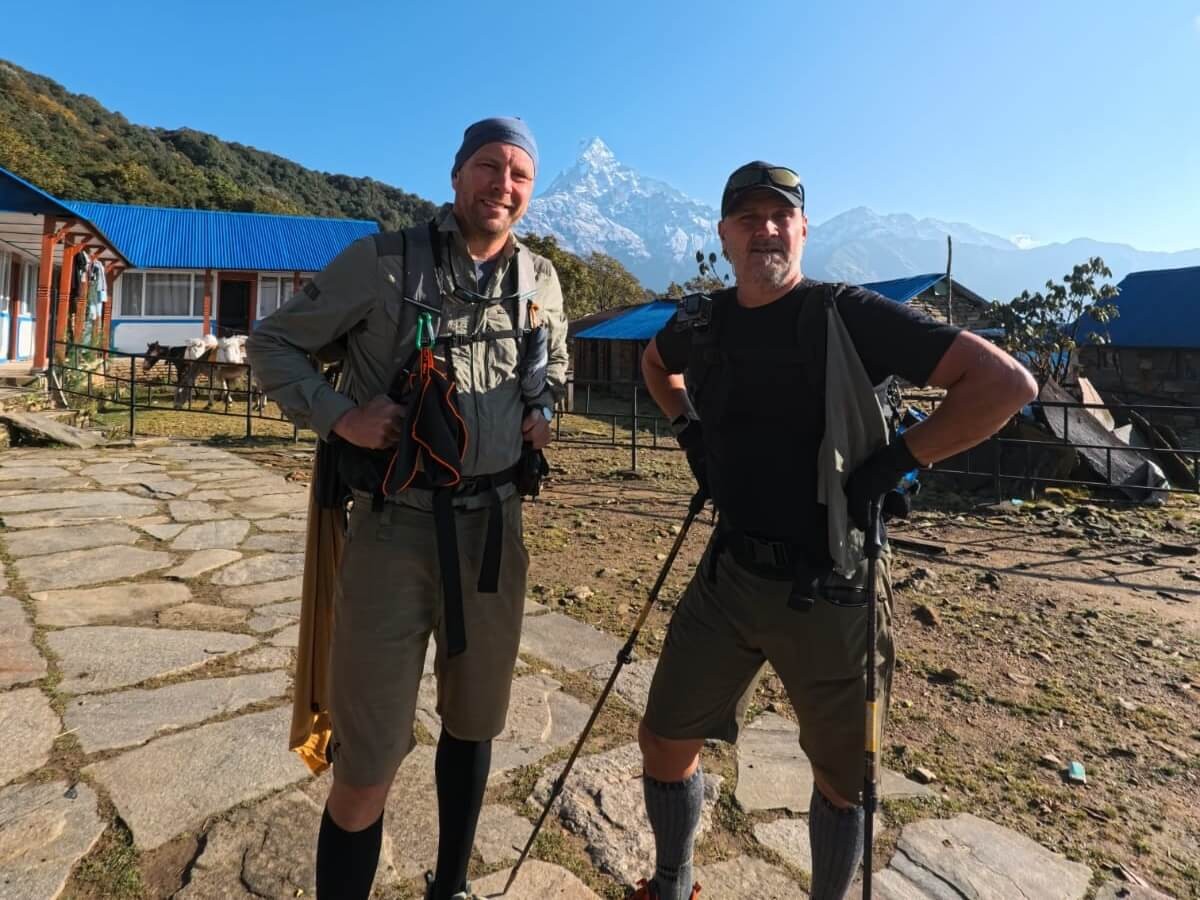
Why Nepal is the Perfect Destination for First-Time Trekkers
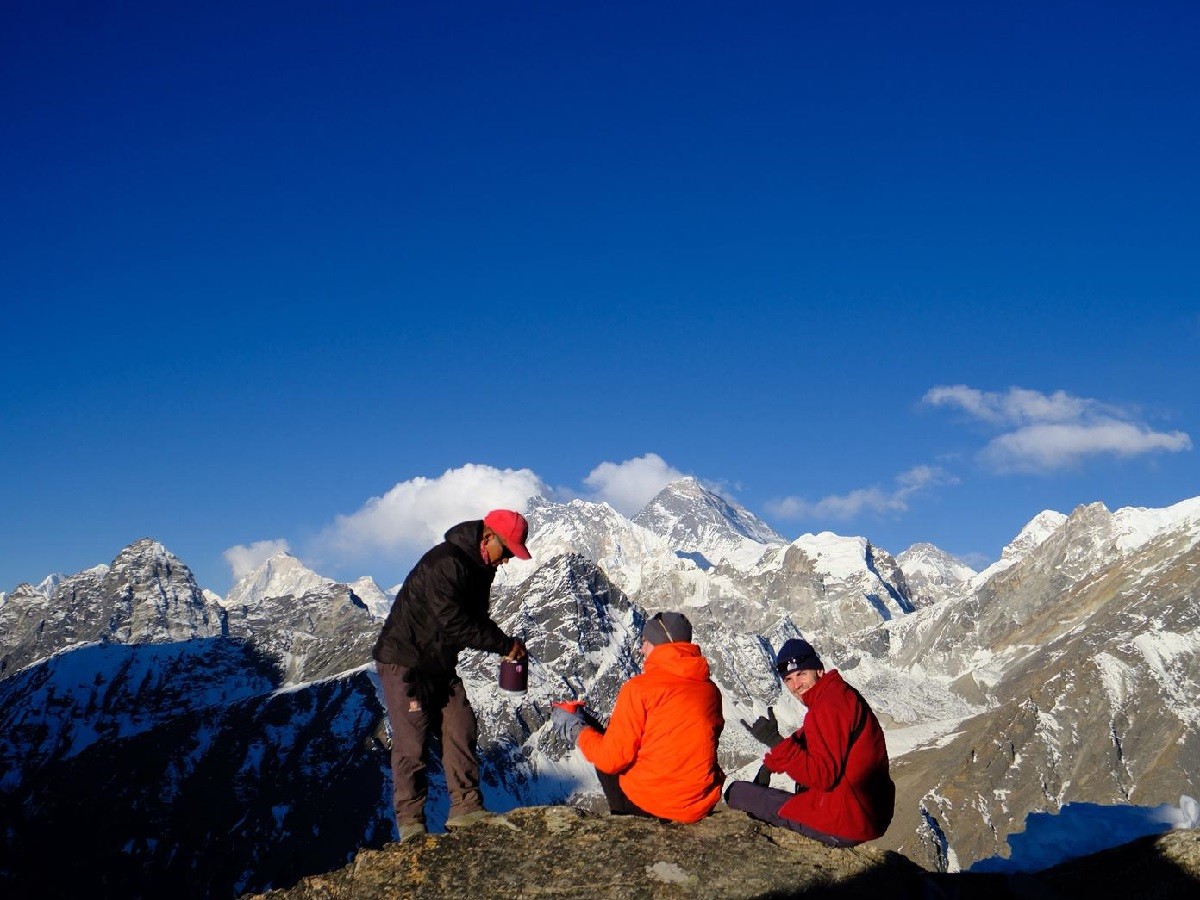
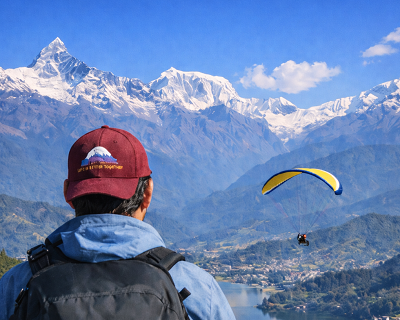
Nepal is considered one of the most beginner-friendly trekking destinations in the world. Every year, a large number of tourists from across the globe visit Nepal to experience what it's like to walk through the magnificent trekking routes in the Himalayas. Here are some key reasons why Nepal stands out for novice trekkers.
World-Class Trekking Trails and Facilities
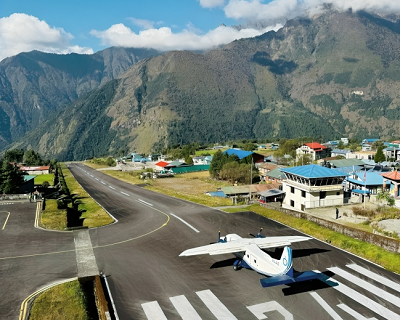
Nepal has developed one of the most reliable mountain tourism infrastructures in the world. The beautiful Himalayan country offers well-maintained trekking routes, comfortable accommodations, and established rescue systems in case of any emergency. Nepal’s popular routes provide consistent support, making them ideal for those new to multi-day hiking.
Treks for Every Fitness Level
From easy day hikes to challenging high-altitude expeditions, Nepal offers trekking options suitable for all fitness levels. Beginners can start with shorter routes like Ghorepani Poon Hill, Mardi Himal or Langtang Valley before progressing to classics like Everest Base Camp, Annapurna Circuit, or Manaslu Circuit.
Rich Cultural Experiences
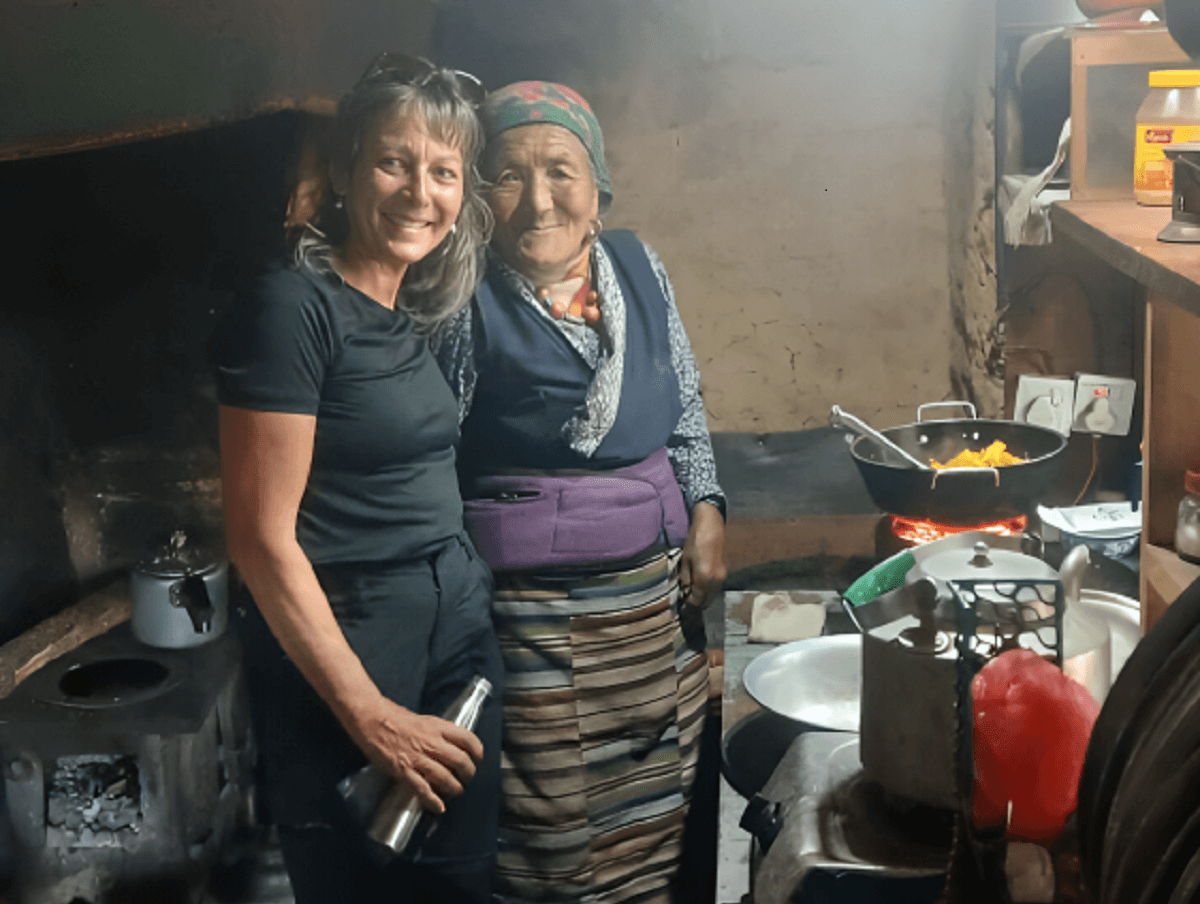
The trekking routes in Nepal pass through traditional villages, where Sherpa, Gurung, Tamang, and many other ethnic communities maintain centuries-old traditions. Along your journey, you interact with friendly locals, explore traditional villages with spinning prayer wheels, colorful prayer flags, and experience the warm hospitality of people in the mountains. It adds a meaningful cultural depth to your Nepal adventure. This combination of nature and culture makes Nepal a unique destination for first-time trekkers.
Affordable Mountain Adventure
Compared to other mountain ranges around the world, Nepal offers exceptional value for trekkers. Trekking expenses, including permits, accommodations, and guides, are considerably lower than those of other treks worldwide. This makes trekking in the Nepal Himalayas highly affordable for beginners, as they can invest in quality gear and professional guidance without overspending.
Safe and Welcoming Environment
Nepal’s tourism industry is built around trekking, and the locals understand the importance of keeping the visitors safe and comfortable. The Nepalese people are well-known for their warm hospitality. Additionally, the presence of checkpoints along the trails makes Nepal a safe destination for both solo travelers and trekking groups.
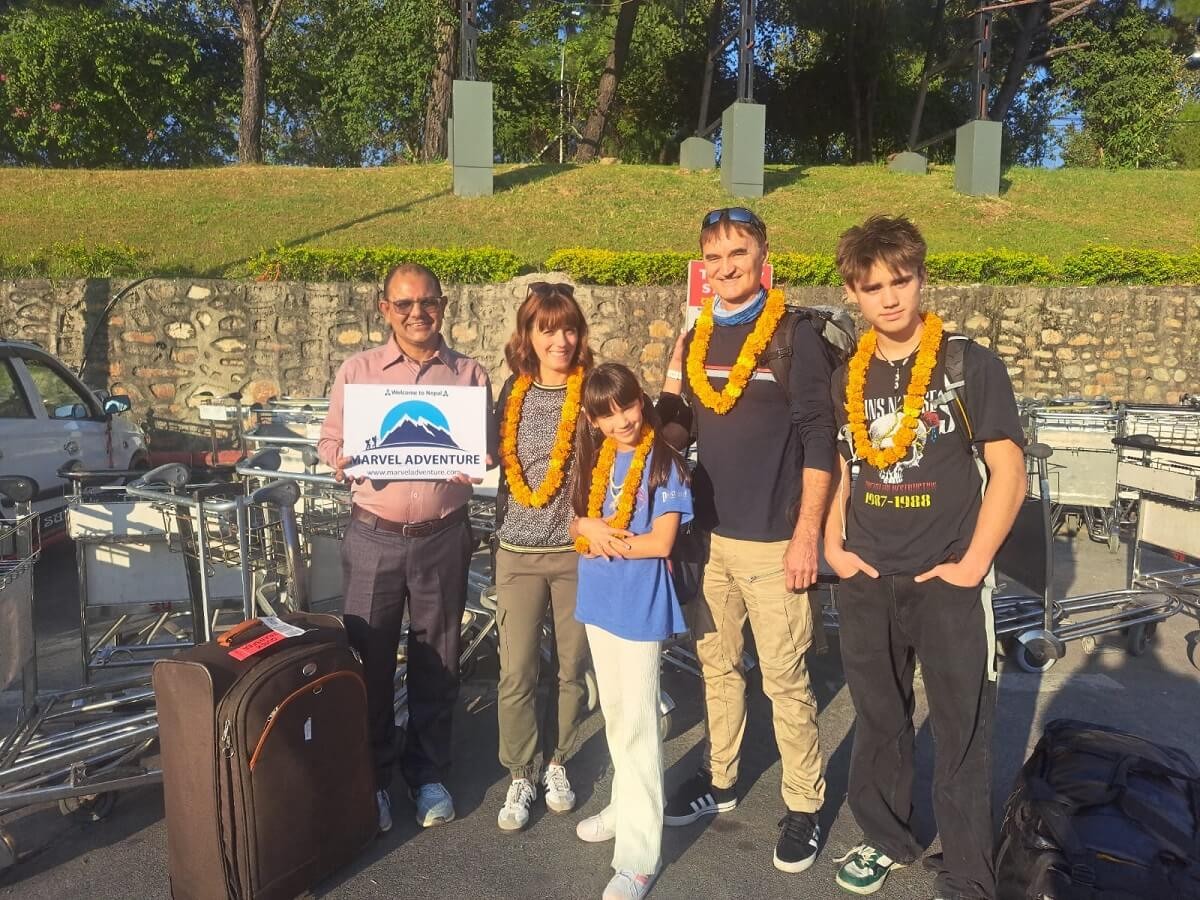
How to Prepare for Your First Trek in Nepal
Once you plan for your first Himalayan adventure, it is equally important to prepare in the best way to have the best experience. Here are a few important preparation tips for your first time trekking in Nepal.
Choosing the Right Trek
Your first trekking experience largely depends on choosing the right route. Here are some of the key factors to consider when making your choice:
- Start with shorter treks lasting 5-10 days. Shorter trekking routes like Ghorepani Poon Hill, Langtang Valley, or Mardi Himal let you test your abilities without a long commitment in the mountains.
- The time of the year you choose can greatly affect trail conditions. Spring and Autumn offer stable weather, while the monsoon season brings rain and leeches, and winter can be extremely cold at higher elevations.
- If you have no prior trekking experience, we recommend staying below 5,000 meters to minimize the altitude sickness risks. You can choose routes like Annapurna Base Camp (4,130m) and Langtang Valley (3,800m) that offer an incredible experience at a manageable altitude.
We recommend choosing routes based on your fitness level and time availability for your first Nepal trek.
Physical and Mental Preparation
Even easy treks require basic fitness and mental readiness. It would be ideal to start a fitness routine a few weeks before departure.
- Focus on your cardiovascular endurance and building your stamina through activities like jogging, running, cycling or swimming.
- Regular hiking practice helps you prepare better for the trek. Complete several days of training by climbing stairs or hiking with a backpack.
- Prepare yourself mentally for discomfort, basic facilities, long walks, and cold temperatures as the altitude changes.
Necessary Permits
Trekking in Nepal requires permits based on the routes you choose. Here is some basic info about the permits for your reference.
TIMS card (Trekkers Information Management System)
The TIMS card allows authorities to keep track of trekkers to ensure their safety.
National Park Entry Permits
Trekking routes through Sagarmatha National Park (Everest Region), Langtang National Park, Annapurna Conservation Area, and other protected areas require these entry permits.
Restricted Area Permits
Trekking in restricted regions like Upper Mustang, Manaslu, Kanchenjunga, Makalu and Upper Dolpo requires special permits, which come with higher fees.
When you book your Nepal trek with Marvel Adventure, our team handles all paperwork and necessary permit arrangements. You can focus on preparing for your adventure without having to be involved in unnecessary hassles.
What to Pack for Your First Trek in Nepal
It is very important to pack smartly for the trek. Here is a beginner-friendly guide to clothes, necessary gears and other must-have things that you cannot miss.
Clothes and Trekking Gear
- Pack moisture-wicking thermal base layers for warmth and comfort
- Bring down jackets for evenings and high-altitude areas, as the temperature can drop significantly
- A waterproof and windproof jacket is essential even in dry seasons
- Trekking poles are recommended for improving balance on uneven terrain
- Pack warm headwear and insulated gloves for cold mornings and evenings
- Get a few pairs of moisture-wicking trekking socks and a quality trekking boot with ankle support
- UV-protected sunglasses and a sun cap or hat for daytime protection
We provide duffel bags, trekking poles, downjackets, sleeping bags, and company caps for the trek. We also assist you in renting/buying any other items or gear locally, so you are fully prepared without the hassle of searching on your own.
Gadgets and Cameras
- Carry a camera or smartphone to capture breathtaking views
- Carry extra batteries, as cold temperatures can quickly drain the battery
- Bring high-capacity power banks, as some charging ports along the trail may be expensive or unreliable
- Keep your phone for communication and emergency contact
Health and Safety Items
- Carry a personal first-aid kit that includes blister treatment, pain relievers, and personal prescription medicines
- Bring water purification tablets or filters to ensure safe drinking water
- Include Diamox (acetazolamide) after consulting your doctor for altitude headaches
- Carry insect repellent for the lower altitude sections, especially during the monsoon season
We ensure your safety and comfort with experienced guides, essential supplies, a first-aid kit and emergency rescue support throughout the trek.
Common packing mistakes by beginners
- Overpacking with too many clothes, gadgets and unnecessary items
- Casual footwear/sneakers instead of proper trekking boots
- Ignoring weather needs, such as not carrying a waterproof jacket in the rainy season
- Insufficient snacks and water
- Forgetting basic first-aid essentials
- Neglecting good quality power banks for battery charging
- Not testing gear, which can later cause discomfort during the trek
What to Expect on the Trail
Trekking in Nepal offers a mix of cultural immersion, physical challenge and a whole new set of experiences for first-timers. While the trek rewards you with stunning mountain scenery, it equally tests your physical and mental strength.
Knowing what a typical day feels like during the trek not only prepares you well but also boosts your confidence, ultimately helping you to embrace the adventure even more.
Walking Hours
Typical trekking days involve 5-7 hours of walking, depending on the route and daily elevation gain. Most days start with breakfast around 7-8 AM, followed by 3-4 hours of trekking in the morning, a lunch break, and another 2-3 hours of afternoon walking before reaching your destination for the day. This pace leaves enough time to rest, acclimatise and explore local villages.
Trekking Routine
Morning
The typical trekking day starts at around 6-7 AM as you wake up to the sound of teahouse activity. You can enjoy your breakfast and pack your belongings afterwards to begin trekking once everyone is ready.
Midday
We will stop for lunch at a teahouse along the route, where you will have the time to rest and refuel with Dal Bhat, noodles, or soup.
Afternoon
Following lunch, you will resume our trekking for 2-3 hours before arriving at your overnight destination. You usually arrive with plenty of daylight to enjoy the surroundings and explore the village.
Evening
Dinner is usually served around 6-7 PM. Afterward, trekkers gather in the communal dining room around the stove to share stories, play cards, and warm up before heading to bed around 8-9 PM.
Accommodation Options
We partner with safe, hygienic, and comfortable accommodations carefully selected to ensure a restful and enjoyable stay throughout your trek. We prioritize clean rooms, warm hospitality and reliable facilities, so you can relax and recover comfortably after each day on the trail.
- Expect basic twin-bedrooms with thin mattresses and pillows
- There are shared bathroom facilities in higher altitudes that often consist of squat toilets
- Some teahouses on popular trails offer western-style toilets
- Hot showers are usually available at an added cost
- Wifi is available at most of the teahouses, for which you have to pay extra
- Electricity for charging devices costs extra in the higher altitudes
- Teahouse dining rooms usually have a central stove, long tables, and charging stations
Local Food
Nepali mountain cuisine revolves around Dal Bhat, the national dish of Nepal. It comes with a filling mix of rice, lentils, vegetables, and pickles that provides lasting energy for trekkers, as reflected in the local saying “Dal Bhat Power, 24 hour”.
Breakfast Options
- Toast with jam, eggs, pancakes, porridge, muesli and hash browns
Lunch and Dinner
- Dal Bhat, fried rice, noodle soup (thukpa), momo (dumplings), pasta, vegetable curry
Drinks
- Nepali tea (chiya), hot lemon, ginger tea, coffee, hot chocolate.
- Avoid alcohol consumption at higher altitudes as it impairs acclimatization.
Trail Conditions and Terrain
Expect a mix of terrain, including stone steps, dirt trails, rocky sections, suspension bridges, and occasional steep ascent and descent. You will often see yaks and porters carrying supplies using the same trail.
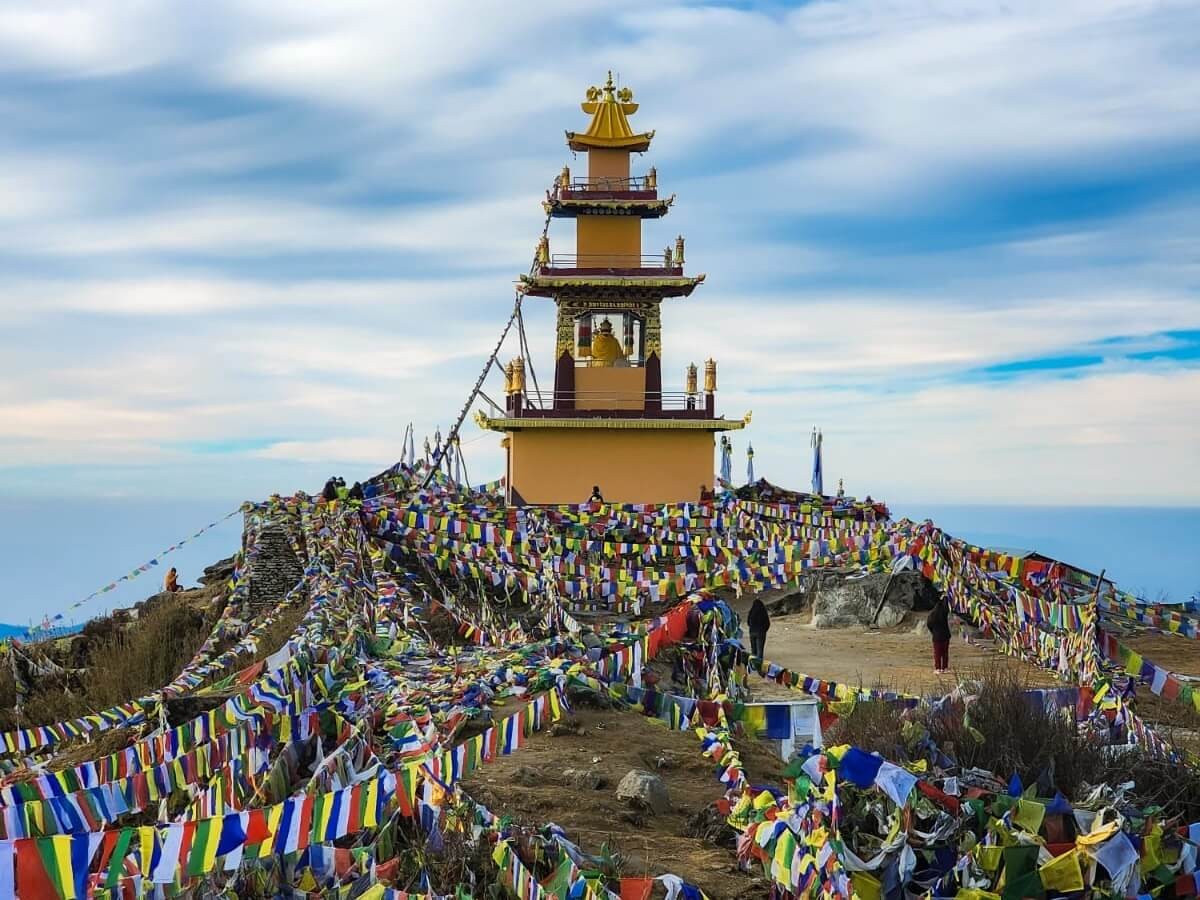
Cultural Experiences along the Trek
- The Himalayan regions of Nepal are predominantly Buddhist, while the lower elevations blend both Hindu and Buddhist
- You will see fluttering prayer flags, monasteries, and spinning prayer wheels along the mountain passes and villages
- Nepal’s trekking regions are home to different ethnic groups
- You will get to witness the daily life of Sherpas in the Everest region, Gurung and Magars in the Annapurna area, and Tamangs in the Langtang region
- You can witness special celebrations, traditional dances, and community gatherings if your trek coincides with Nepali festivals
- Routes with homestay offer a deep cultural experience and direct support to mountain communities
- You can observe the daily lifestyle of locals and get a deeper look at the regular lives in mountain villages
Common Challenges for First-Time Trekkers
How is it even a decent adventure if everything feels completely normal and there are no challenges for the trekkers? Overcoming the obstacles makes the journey even more gratifying. Be prepared for the following challenges during your trek.
Physical Exhaustion
The combination of altitude, daily walking for consecutive days while carrying a backpack, tires your body differently than gym workouts.
Bathroom Facilities
Most of the accommodations have a squat toilet and limited hotwater. Some teahouses on major routes now offer western-style toilets.
Basic Accommodations
Sometimes basic accommodations with cold rooms and shared facilities may be a challenge to those accustomed to comfortable hotels.
Homesickness and Loneliness
Solo trekkers occasionally feel homesick or lonely, especially when the days are challenging. The teahouses naturally form trail friendships, helping to ease isolation.
Limited Communication
There are Wifi facilities in your accommodations, but they could be slow and unreliable, while phone signals are available in some areas and not in others.
Language Barriers
Most people can speak English on popular routes. However, communication challenges could arise in more remote areas. Learning basic Nepali phrases could always be helpful.
Crowds on Popular Routes
During Peak season, teahouses fill up quickly on popular routes like Everest Base Camp or Annapurna Circuit. The popular viewpoints also get crowded. We recommend starting early and being flexible with accommodations.
Best Time for Trekking in Nepal
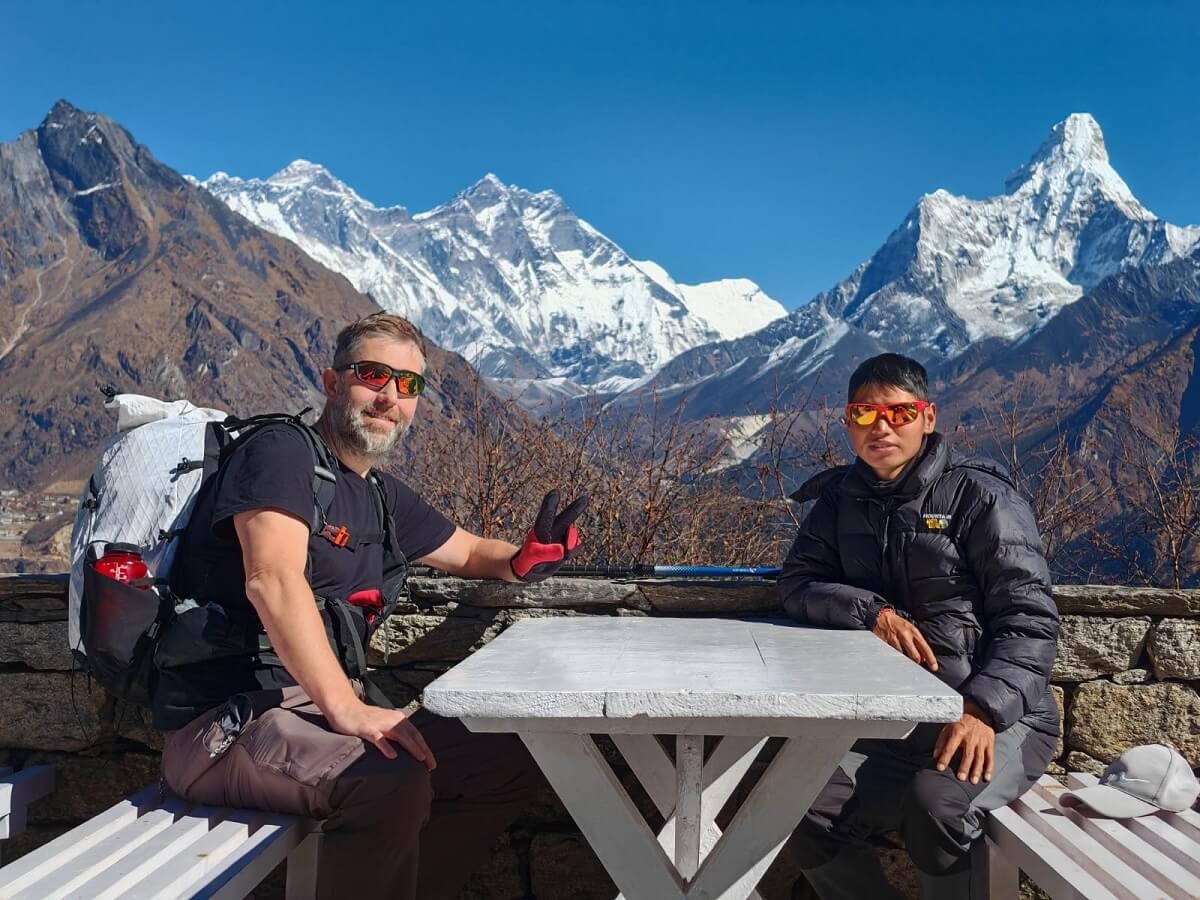
Spring and Autumn are the best seasons for a wonderful Nepal trekking experience with the best weather conditions. Follow our every season guide for more details.
Autumn (September - November)
The Autumn trek in Nepal is the most popular season, offering clear skies, stable weather, excellent visibility, and moderate temperatures. October provides the best conditions, but also the maximum crowd.
Spring (March - May)
Spring Trek in the Himalayas is another popular season for trekking in Nepal that offers blooming rhododendrons, clear visibility, and comfortable temperatures. March can be cold, while May brings warmer weather but with afternoon clouds.
Winter (December - February)
Winter trekking in Nepal is ideal for someone seeking solitude and who can handle cold conditions. During the winter season, lower-altitude treks remain feasible with clear skies, but high-altitude routes face extreme cold and snow.
Monsoon (June - August)
Heavy rain and cloudy weather make this season the least favorable for Nepal adventure tours. However, rain-shadow areas like Upper Mustang and Upper Dolpo remain accessible.
How to Avoid Altitude Sickness
Altitude Sickness or Acute Mountain Sickness (AMS) is a common challenge trekkers face when they ascend too quickly for their bodies to adapt to reduced oxygen levels. Symptoms include headache, nausea, dizziness, and sleeping difficulty.
Prevention Strategies
- Ascend gradually, allowing your body to properly acclimatize
- Drink 3-4 litres of water daily to avoid dehydration
- Avoid alcohol and sleeping pills as they suppress breathing and interfere with acclimatization
- Immediately inform your guide if you feel any altitude sickness symptoms
- Eat proper, nutritious meals even when your appetite decreases at altitude
- Check weather forecasts, but don't rely on them completely as mountain weathers are always unpredictable
- If symptoms worsen, stop and descend
How to Make Your First Trek Safe and Exciting
A well-planned trek in Nepal is not just about walking the trails; it is more about enjoying every step of the journey while ensuring your safety and comfort. With the right support and guidance, your adventure can be both safe and wonderful. Here are a few tips to elevate your overall Nepal trekking experience.
Hiring Guides and Porters
Hiring guides and porters through a reliable company makes your trek safer and more wonderful. We provide professional guides and porters with decades of field knowledge and experience to turn your first Nepal trek from challenging to exciting.
Expert Guides
Our licensed guides bring excellent mountain experience and local knowledge. They provide cultural insights, share local stories, tell you about the mountains in-depth, and handle permits and other logistics. Above all, they look after your safety and well-being throughout the trek.
Porter Support
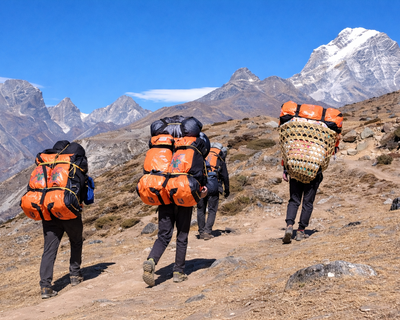
Porters carry your main backpack (20-25 kg), which significantly reduces physical stress and allows you to enjoy your journey. Usually, 1 porter is assigned to carry the backpack of two people during the trek.
Cultural Bridge
Our guides help you understand the local culture and traditions. They help you facilitate interactions with villagers and enrich your understanding of mountain regions in Nepal.
Packing Light But Smart
Even with porter support, packing smartly matters as every extra weight could become a burden at a higher altitude. Only choose items that support multiple purposes for versatile clothing.
Also, make sure to test everything on your packing list, including trekking boots, before departure. Plan to re-wear multiple items, do occasional laundry if needed. It's always better to download books, maps and guides onto devices rather than carrying physical copies.
Stay Hydrated and Eat Well
Carry at least two litres of water while trekking to keep yourself constantly hydrated to prevent altitude sickness. You can always fill waterbottles at teahouses and treat water with purification tablets.
Completely avoid alcohol consumption during the trek as it causes dehydration. Hot drinks like tea, hot lemon, and ginger tea help with hydration and warm you up.
Eat substantial meals even when your appetite diminishes at higher altitude as your body burns 3,000-5,000 calories daily while trekking. Most teahouses offer Dal Bhat, which provides excellent nutrition to keep you energized during the trek.
FAQs
How do I prepare for my first trek?
Start by choosing a beginner-friendly trekking route that matches your fitness level and begin light physical training.
How fit do I need to be for my first trek in Nepal?
You must be able to walk 5-7 hours a day to be considered fit for the trek.
Which trek is best for beginners in Nepal?
Ghorepani Poon Hill, Mardi Himal, Everest Panorama and Langtang Valley Trek are some of the best options for beginners in Nepal.
Do I need previous trekking experience?
No. With proper guidance and necessary preparation, beginners can enjoy short to moderate treks in Nepal safely.
Do beginners need a guide in Nepal?
Yes, it is always ideal to have a guide for your trek in Nepal.
What if I get sick or injured during the trek?
Our guides are well-trained in wilderness first aid and know how to respond quickly to any sickness or injury during the trek.
Is trekking in Nepal safe for solo trekkers?
Yes, trekking in Nepal is safe for solo trekkers. But we always recommend hiring a guide for a completely safe, hassle-free adventure.
Conclusion
Your first trek in Nepal promises an amazing adventure, rich cultural immersion, beautiful mountain vistas and splendid landscapes. There will be challenges like basic accommodations, altitude effects, and physical exhaustion.
But with the right preparation, proper guidance, and careful planning, this journey can be safe and memorable as you will experience profound rewards from the Himalayas.
The mountains in Nepal have transformed countless first-time trekkers into passionate mountain enthusiasts. With realistic expectations, proper preparation, and the right support system, your first trek in Nepal can be the beginning of a lifelong relationship with the mountains.
Customize your first trek in Nepal with Marvel Adventure. You can fully focus on enjoying the great Himalayan experience while we handle all the logistics to make your journey safe and comfortable.