Why combine adventure activities with Trekking in Nepal?
Nepal’s geography makes it naturally perfect for multi-adventure travel. What people don’t realize is that simple adventure activities after a long trek actually help with recovery better than complete rest. A rafting trip or cultural city tour keeps your body moving without the strain of altitude. Before a trek, activities like yoga retreats or easy bike rides help with pre-acclimatization and mental preparation.
Before-trek activities should be light to moderate, such as cultural tours, yoga, short bike rides, or gentle rafting. They help to prepare your body without draining your energy. After-trek activities can be more varied. If you have done a moderate trek like Annapurna Base Camp, you can do paragliding or bungee jumping. After demanding high-altitude treks like Everest Base Camp or Manaslu Circuit, relaxing add-ons such as a jungle safari or helicopter tours make more sense.
Choosing the best season to trek in Nepal plays a major role in planning your overall adventure. Monsoon season (June-August) is not ideal for trekking, but it’s the best time for white-water rafting due to high river levels. Spring (March-May) and Autumn (September-November) offer the best conditions to combine trekking with adventure activities. Likewise, winter (December-February) is more suitable for low-altitude experiences and relaxed tours after your trek.
Many trekkers later tell us that planning one or two adventure add-ons early would have saved them the hassle of last-minute arrangements in Kathmandu.
Top 10 Adventure Activities to Combine with Trekking
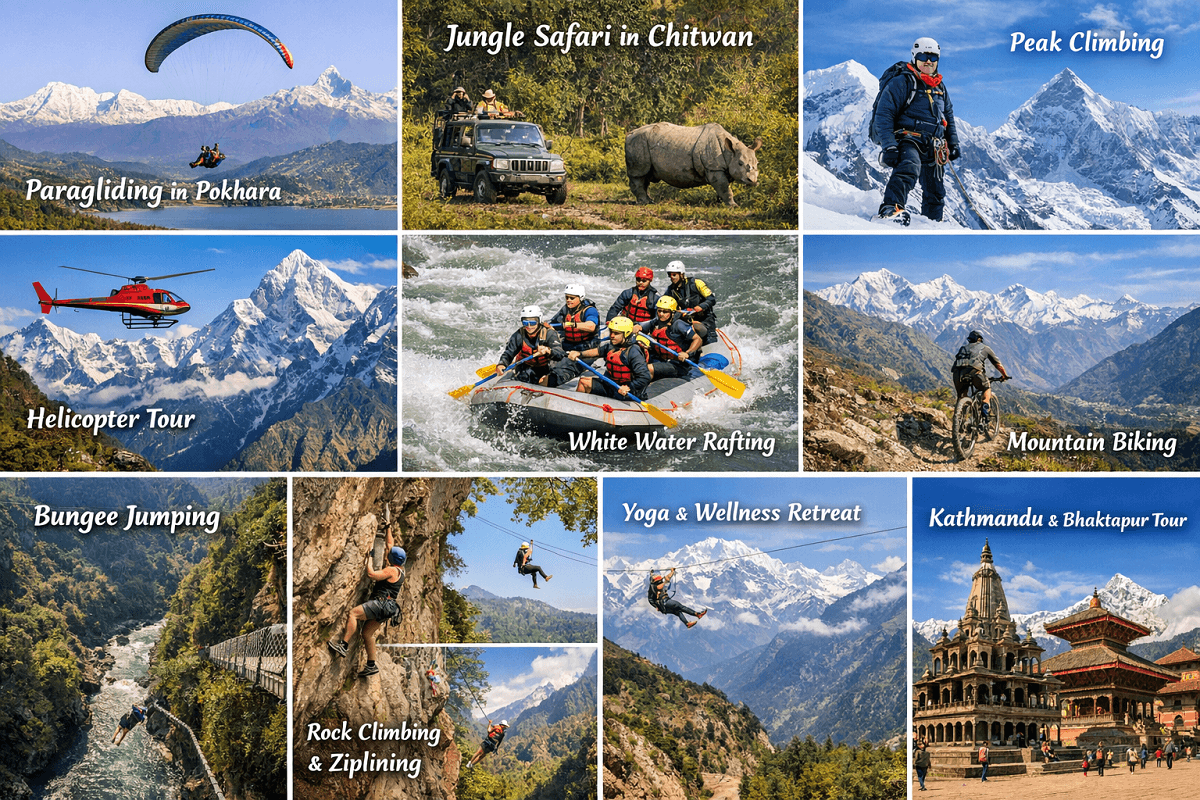
Once the trekking boots come off, Nepal opens up in a different way with adventure activities such as:
- Paragliding in Pokhara
- Jungle Safari in Chitwan National Park
- Peak Climbing
- Helicopter Tour
- White Water Rafting
- Mountain Biking
- Bungee Jumping
- Rock Climbing and Ziplining
- Yoga and Wellness Retreats
- Kathmandu and Bhaktapur City Tour
Paragliding in Pokhara
Imagine floating silently above Phewa Lake with stunning views of the Annapurna Range. It feels surreal. Pokhara is a top paragliding destination in Nepal, making it a perfect adventure activity to combine with Annapurna region trekking.
- Best with: Annapurna Base Camp, Ghorepani PoonHill, Mardi Himal, Annapurna Circuit
- Best Season: September - May (Autumn and Spring)
- Ideal Duration: Half-day (30- minute plus transport)
- Difficulty: Easy (Requires no experience)
- Ideal for: First-time trekkers, post- trek relaxation, anyone comfortable with heights
- Fitness and Skill Requirement: None (Your pilot will handle everything)
- When to do it: After your trek or before as an introduction to the region
We’ve noticed that people who paraglided after their trek describe it as a perfect reward after finishing a trek. You will recognize the ridgelines and villages from above, which you walked on foot days earlier.
Jungle Safari in Chitwan National Park
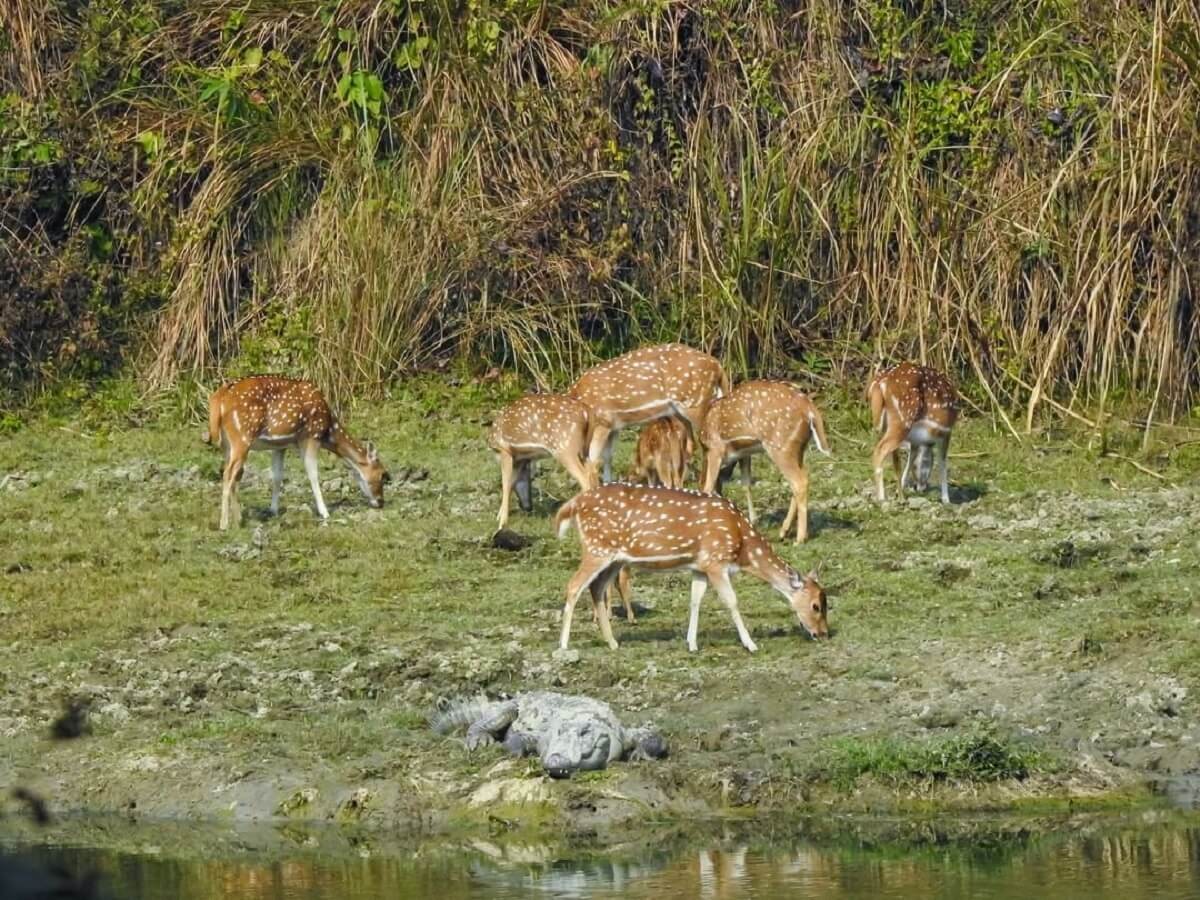
Chitwan National Park, a UNESCO World Heritage Site in Nepal, offers a contrast to high-altitude trekking. You will get a chance to explore its sub-tropical jungle for wildlife encounters, including one-horned rhinos, Bengal tigers, crocodiles and more than 500 species of birds.
Whether it's a jeep ride, a canoe trip to spot crocodiles or a guided walk through the jungle, you can customize your Chitwan Wildlife Tour exactly how you want it.
- Best with: Any trek, but especially popular after Everest Base Camp, Annapurna Circuit, or Langtang Valley
- Best Season: October - March (Better wildlife visibility during the dry season)
- Ideal Duration: 2-3 days
- Difficulty: Easy (Jeep Safari), Moderate (Jungle Walks)
- Ideal for: Families, nature lovers, wildlife enthusiasts, photographers
- Fitness and Skill Requirement: Basic walking fitness (Canoe and Jeep Safari available for limited mobility)
- When to do it: After the trek, as the opposite climate helps with recovery
In reality, Chitwan offers a perfect balance: it’s adventurous enough to feel like a true activity, yet relaxing enough to let your body recover after trekking. Elephant breeding centre, canoe ride, and Tharu cultural performances provide variety, making Chitwan a perfect adventure add-on to trekking holidays in Nepal.
Peak Climbing
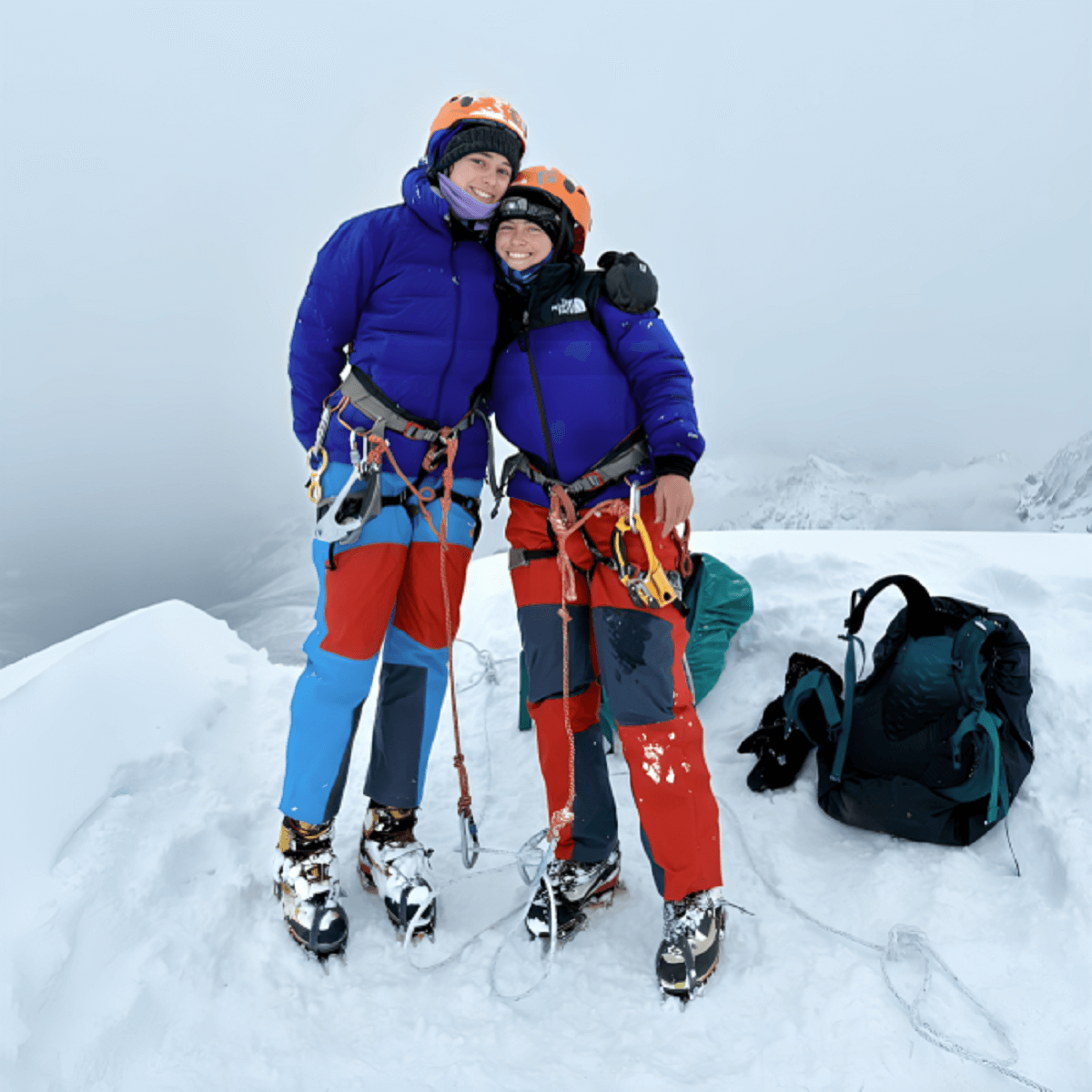
This is where trekking turns into mountaineering. Peak Climbing in Nepal serves as the bridge between trekking and mountaineering, opening the door to expedition-style climbs on peaks below 7,000 meters. You can add peak climbing to your itinerary with other popular treks or solely enjoy it as a standalone objective.
- Best with: Island Peak (6,189m) with Everest Base Camp; Mera Peak (6,461m) as a standalone objective; Lobuche East with EBC trek
- Best Season: April - May (pre-monsoon), October - November (post-monsoon)
- Ideal Duration: 3-5 days, depending on the peak
- Difficulty: Moderate to Challenging. Peak climbing requires technical skills
- Ideal for: Experienced trekkers, those with basic mountaineering training
- Fitness and Skill Requirement: High Fitness, acclimatization, crampon experience, rope skills
- When to do it: Integrated within your trek
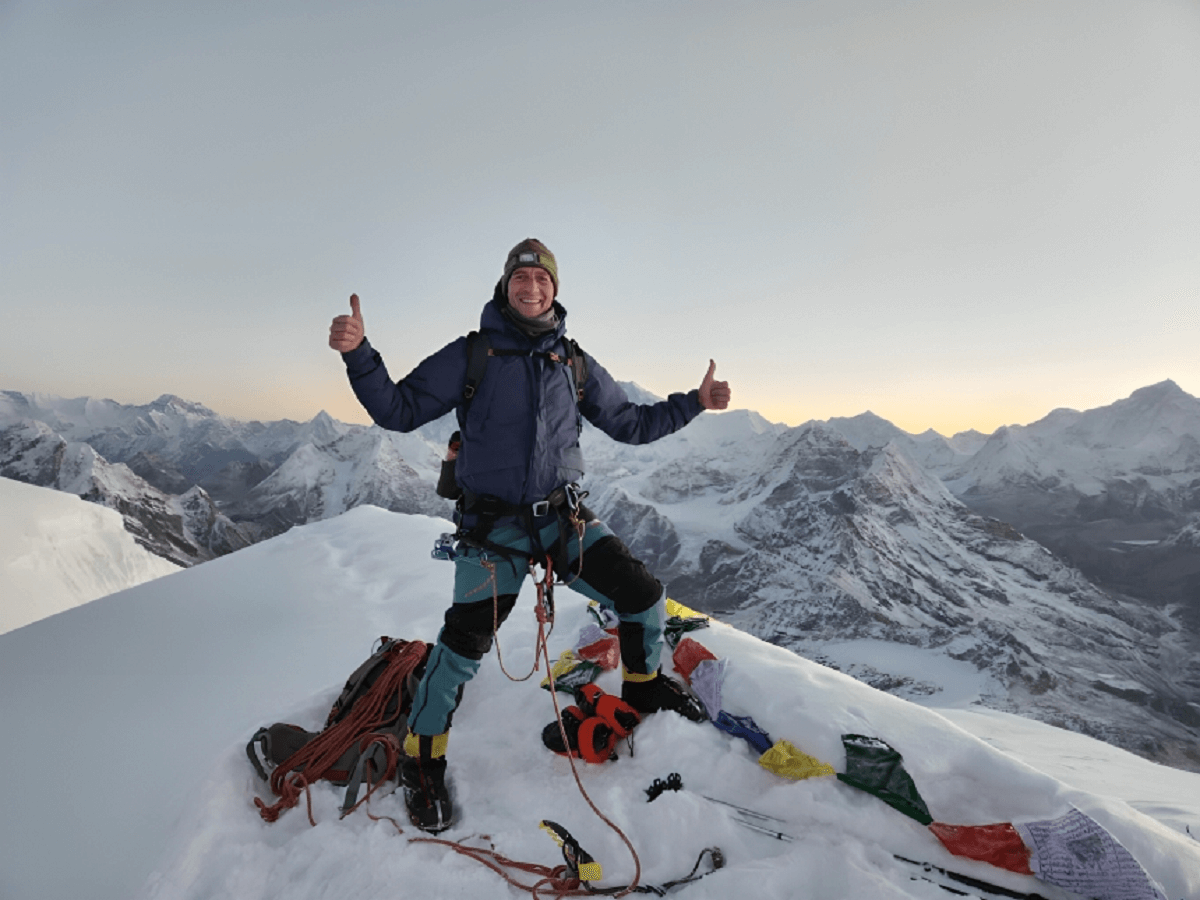
Here are some of the most popular peak climbs in Nepal:
Island Peak (6,189m)
Combined with the Everest Base Camp, Island Peak is one of the most beginner-friendly climbing peaks in Nepal. This adventure can be a perfect introduction to mountaineering in Nepal for beginners.
Mera Peak (6,476m)
Mera Peak is the highest trekking peak in Nepal, making it an ideal adventure activity for trekkers who want high altitude without previous climbing experience. You can summit Mera Peak as a standalone adventure.
Lobuche East (6,119m)
Lobuche East is a more technical option in the Everest region, perfectly suited for climbers seeking a high-altitude challenge.
Pisang Peak (6,091m)
Often combined with the Annapurna Circuit trek, Pisang Peak offers a mix of trekking and technical climbing.
Yala Peak (5,732m)
Yala Peak is a great introductory climb in the Langtang region. This peak is less technical and perfect for those seeking their first peak climbing experience without any extreme challenges.
A common mistake we see people make is underestimating the fitness gap between trekking and peak climbing. Island Peak at 6,189m involves glacier travel, fixed ropes and summit push starting early in the morning. In simple words, it's not something you take on casually.
Helicopter Tour
Helicopter tours are a great way to experience the Himalayas. You can combine a helicopter return with your trekking itinerary, such as the 8 Days EBC Trek with Helicopter Return, or simply tour the mountain ranges, such as Annapurna or Langtang, to experience the Himalayas from a different perspective.
Based on our clients' feedback, we have seen many of them, with limited time and physical limitations, find helicopter tours perfect for experiencing the beauty of the mountains in Nepal.
- Best with: Can replace or complement any major trek.
- Best Season: March - May, September - November
- Ideal Duration: 3-4 hours, including airport transfers
- Difficulty: None
- Ideal for: Time-limited travellers, families with kids or elders, photographers
- Fitness and Skill Requirement: None
- When to do it: Before a trek, instead of trek, after a trek
We’ve guided trekkers who did a helicopter tour to Everest Base Camp before their trek. This short trip gave them massive motivation as they felt more prepared for their own journey.
White Water Rafting
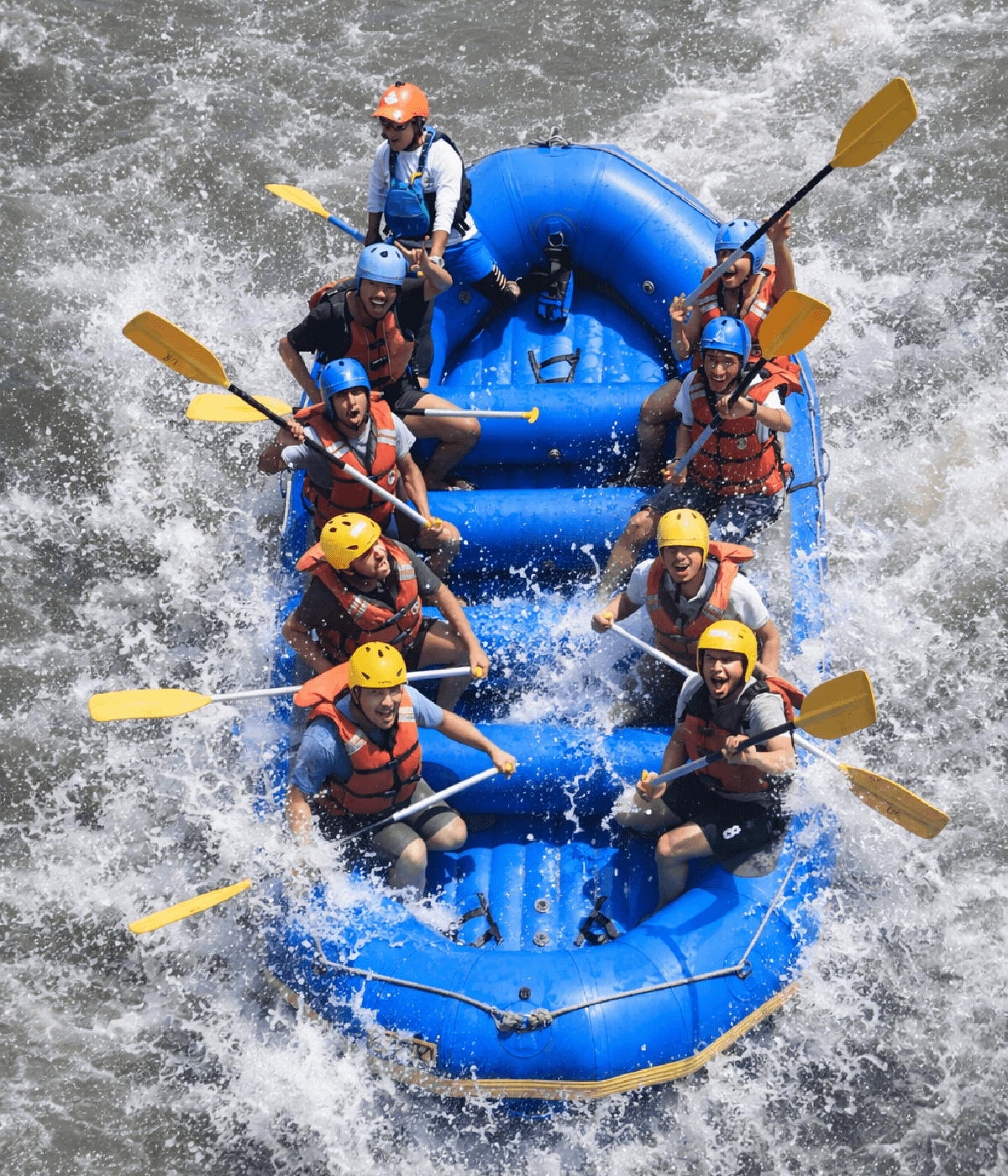
White water rafting is one of the best ways to add a splash of adventure after the trek. The rivers in Nepal, like the Trishuli and Bhote Koshi, offer some of the world’s best rafting, from gentle floats for beginners to serious multiday expeditions for adrenaline seekers. Most of our trekkers love rafting because it feels like a fun reset after long days on the trail.
- Best with: Any trek returning from Kathmandu or Pokhara, as it's logistically easy (Annapurna, Langtang)
- Best Season: March - May and September - November (moderate water flows, clear weather), June - August (extreme adventure)
- Ideal Duration: Half-day (Trishuli), extended 2-3 days with riverside camping (Karnali or Sun Koshi)
- Difficulty: Easy to Challenging (Highly depends on the season)
- Ideal for: For families and travellers with limited time (Trishuli), thrill-seekers (Bhote Koshi), expedition lovers (Sun Koshi)
- Fitness and Skill Requirement: Basic swimming skills recommended, no rafting experience required for easier rivers
- When to do it: After a trek for soft adventure
What surprises people most is how easily they can stop on the drive from Kathmandu to Pokhara or vice-versa, raft for a few hours on the Trishuli, have lunch riverside, and continue their journey. This flexibility makes Nepal a perfect destination to combine trekking with adventure.
Mountain Biking
Mountain Biking in Nepal ranges from routes around Kathmandu Valley to the Annapurna foothills or the remote trails of Upper Mustang. This adventure activity lets you cover more ground with less strain on your legs while still staying active and outdoors. Depending on your interest and energy level, these mountain bike rides can last from a half-day to 2-3 days.
- Best with: Upper Mustang (descending), Annapurna region rides, Kathmandu valley trail networks
- Best Season: March - May and October - November (Higher Routes), December - February (Valley Rides)
- Ideal Duration: Single day to a week-long circuits
- Difficulty: Moderate to Very challenging (High Altitude, Technical Descents)
- Ideal for: Cyclists comfortable with technical trails
- Fitness and Skill Requirement: High fitness, Confident descending skills
- When to do it: After a trek or as an alternative to trekking for some routes
Our clients tell us how the scenery changes faster than on foot, and they get to experience a compressed version of Nepal’s geographic diversity as they drop from over 4,000 meters to subtropical valleys in a matter of days, riding past waterfalls and across suspension bridges.
Bungee Jumping
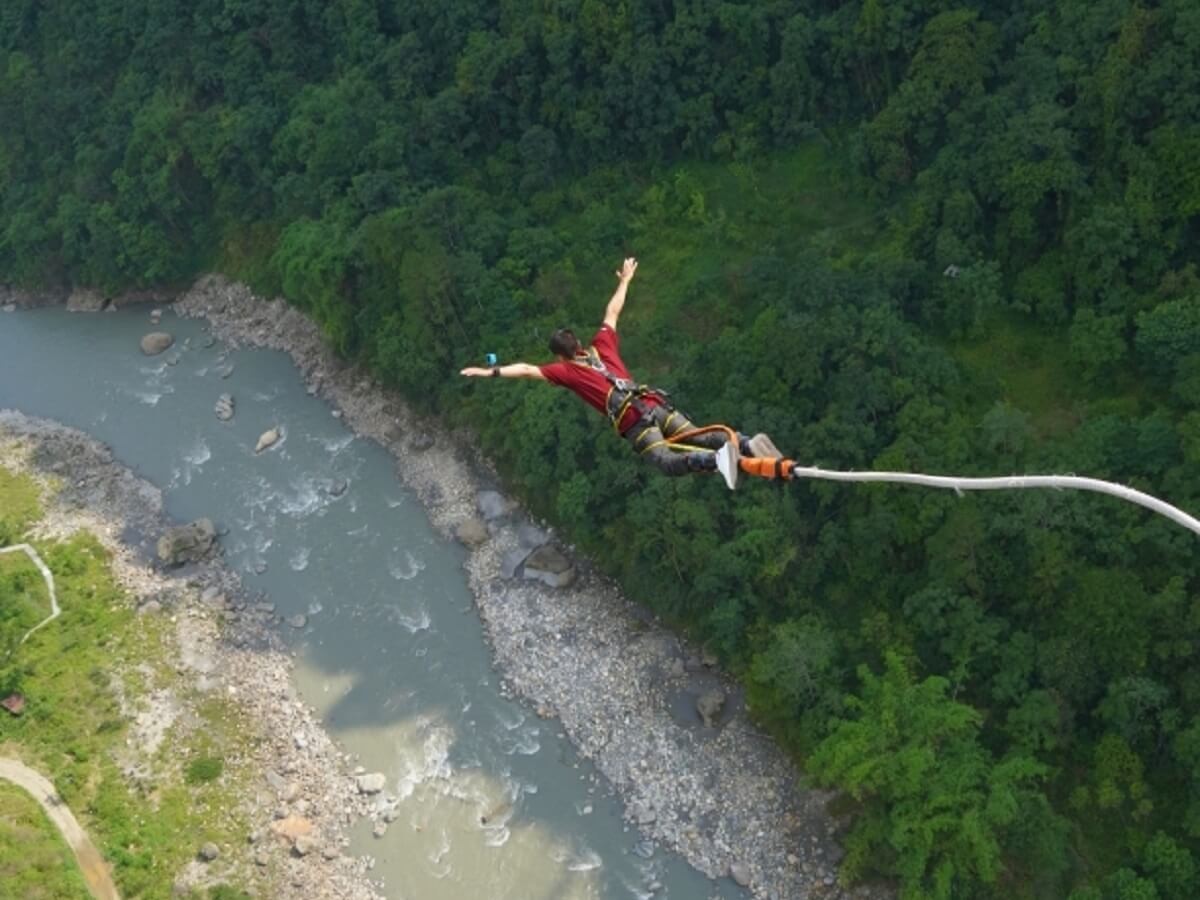
Bungee Jumping is one of the most popular adventure activities in Nepal due to its world-class operations. It is simply for a quick burst of adrenaline without committing to a full-day adventure.
From The Last Resort’s spectacular 160-meter jump over the Bhote-Koshi River gorge to Hemja’s 82-meter jump near Pokhara with mountain views, Nepal delivers thrilling bungee experiences.
- Best with: Any trekking route through Kathmandu or Pokhara
- Best Season: Throughout the year
- Ideal Duration: Half day, including transport
- Difficulty: Includes psychological challenges
- Ideal for: Adrenaline seekers, Trekkers wanting a dramatic post-trek celebration
- Fitness and Skill Requirement: None (weight restrictions: 35-125kg)
- When to do it: After a trek
In reality, the scariest part isn’t the jump; it's standing on the edge and deciding to go for it. Most of our clients describe it as a perfect activity to end their Nepal adventure tour package.
Rock Climbing and Ziplining
Rock Climbing in Nepal includes both outdoor crags in Nagarjun forest and Hattiban, and indoor climbing gyms in Kathmandu and Pokhara, while ziplining in Nepal offers an adrenaline-filled experience with minimal time investment.
Many trekkers feel a new kind of movement as they enjoy rock climbing, whereas ziplining, on the other hand, is all about gliding over forests and valleys without any effort.
- Best with: Works well before or after Kathmandu or Pokhara-based treks
- Best Season: October - May (dry rock for climbing), Ziplining operates throughout the year
- Ideal Duration: Half day for ziplining, Full day for outdoor rock climbing
- Difficulty: Easy (Ziplining), Beginner to Advanced (Climbing)
- Ideal for: Adrenaline seekers, Families (Ziplining), Climbers wanting to experience Himalayan rock
- Fitness and Skill Requirement: None (Both), Climbing experience is helpful but not necessary
- When to do it: Before or after a trek
We’ve noticed that Pokhara’s zipline, which is also one of the world’s longest and steepest, gets more screams than bungee jumping. It may last only for about 90 seconds, but the adrenaline remains for hours.
Yoga and Wellness Retreats
Yoga and Wellness retreats might look a bit out of place for an adventure tour in Nepal, but it serves a specific purpose in multi-adventure travel as they prepare your body for trekking or help it recover afterwards through proper stretching, breathing and mental focus.
- Best with: Before High-Altitude treks or after demanding circuits
- Best Season: Throughout the year
- Ideal Duration: Usually 2-5 days
- Difficulty: Easy
- Ideal for: Pre-trekking preparation, Post-trekking recovery
- Fitness and Skill Requirement: None
- When to do it: Before or after a trek
What people don’t realize is how tired they could be once the trek is over. The altitude recovery activities, like yoga, actually speed up the physical healing process after long treks. Several retreats around Kathmandu and Pokhara specifically provide pre- and post-trekking programs.
Kathmandu and Bhaktapur City Tour
After weeks in the remote mountains, Kathmandu and Bhaktapur city tours are perfect to experience the cultural beauty of Nepal. Walking through UNESCO World Heritage Sites, visiting centuries-old monuments and exploring the Newari culture around the valley adds a different layer to your trekking experience while you get to understand the Nepal you just trekked.
- Best with: Any trek
- Best Season: October - March (comfortable walking weather)
- Ideal Duration: 1-2 days
- Difficulty: Easy (might need to climb some stairs at temple sites)
- Ideal for: Photographers, travellers who love to explore the culture, and local food enthusiasts
- Fitness and Skill Requirement: Basic walking ability
- When to do it: Before or after trekking
A common mistake we see is people treating Kathmandu just as a gateway to the Himalayas. In reality, the valley has seven UNESCO World Heritage Sites within 20 kilometers. Bhaktapur alone deserves a whole day to explore its medieval architecture and centuries-old pottery tradition.
You can also extend your itinerary to a one-night stay at Nagarkot, a beautiful hill station near Kathmandu, where you can relax and enjoy the panoramic views of the Himalayas from the comfort of your hotel’s balcony.
How Many Extra Days Do You Need for Adventure Activities?
Based on the actual logistics, we have provided a realistic timing for adventure activities to combine with treks in Nepal:
One Day Adventures
These one-day adventures can be scheduled on rest days or transition days between destinations. We always recommend adding a buffer time for these activities.
- Paragliding in Pokhara: Half day
- Bungee Jumping: Half day
- Ziplining: Half day
- Rock Climbing: Half to full day
- Kathmandu City Tour: 1 day minimum
- Short Rafting: Half day (Trishuli)
2-3 Day Adventure Extensions
These 2-3 days adventure require dedicated time. We have guided trekkers who tried rushing these adventures, and they ended up exhausted.
- Chitwan Jungle Safari: 2-3 days minimum
- Kathmandu and Bhaktapur cultural tour: 2-3 days comprehensive
- Multi-Day Rafting: 2-3 days (Bhote Koshi or Karnali)
- Yoga Retreats: 3 - 7 days (Depends on your choice)
- Mountain Biking: 2-5 days
Long Adventure Add-Ons
In reality, things to do after trekking in Nepal work in your favor when you plan 2-3 days extra beyond the activity’s duration, as flight delays, weather conditions and post-trek fatigue are the factors that could affect these adventures.
- Peak Climbing (Island Peak, Mera Peak): Add 3-7 days to base trek
- Extended Rafting: 7-10 days expedition (Sun Koshi or Karnali)
- Upper Mustang Bike Descent: 7-10 days
Safety Tips for Trekking and Adventure Activities in Nepal
Adventure tourism in Nepal is largely safe, but standards and infrastructure vary across activities and operators. Here is our guidance for travellers based on our field experience:
Choose Licensed and Insured Operators
- Verify your operators hold a license from Nepal Tourism Authority
- For peak climbing, only hire certified guides with mountaineering training
- Look for established rescue protocols
- Avoid unlicensed operators, even if prices are attractive
Insurance and Emergency Evacuation
- Get travel insurance that specifically covers adventure sports in Nepal
- Make sure the coverage includes trekking above 4,000 meters
- Check altitude limits in your policy
- Understand that the helicopter evacuation from high altitude could cost you around $5,000 - $15,000
Physical Fitness and Acclimatization
- Don’t stack adventures back to back without any recovery time
- Strictly follow acclimatization guidelines
- Know the symptoms of altitude sickness (nausea, headache, dizziness) and descend immediately if these symptoms worsen
- Stay hydrated with 3-4 litres of water daily at altitude
Weather Awareness
- Avoid trekking during the monsoon season (June - August)
- Be prepared to adjust plans as the weather in the mountains changes rapidly
- Helicopter tours can be delayed or cancelled due to weather
- Choose Spring (March - May) or Autumn (September - November) for most activities
Post-Trek Recovery Mistakes to Avoid
- Plan at least one full rest day between trekking and adventure sports
- Don’t push yourself through exhaustion. Always listen to your body
- Don’t book intense adventure activities immediately after a demanding trek
- Get proper sleep, rehydrate and eat proper meals before attempting physically demanding adventures
Conclusion
After guiding countless trekkers through Nepal’s mountains and adventure landscapes, one thing we can say is: the travellers who enjoy their trips most are those who see Nepal as more than just a trekking destination. Yes, the trails are truly amazing, but the jungle safari, rafting and cultural exploration before or after the trek? That’s what we believe turns a good trip into an unforgettable one.
You can trek to Everest Base Camp, recover in Chitwan’s jungles watching rhinos, and paraglide over Phewa Lake in Pokhara, all in three weeks. In this guide, we have walked through ten activities that perfectly complement your trek, from soft experiences like yoga and city tours to thrilling options like peak climbing and whitewater rafting.
We believe your Nepal adventure should reflect your actual interests and energy level rather than some predetermined package. You love wildlife but not heights? Skip paragliding and spend extra days exploring Chitwan.
Want maximum adrenaline? Combine bungee jumping with rafting after your trek. Travelling with family? Go for cultural tours and gentle safaris instead of technical peak climbs. Need real recovery after a tough high-altitude trek? Yoga retreats and wellness programs are perfect just for that.
Ready to plan your adventure? We recommend starting by choosing the perfect trek for you, and then identifying a few adventure sports in Nepal that actually appeal to you and not just something that sounds amazing.
We’ve seen people above the age of 50 summit Island Peak and 25-year-olds choose a yoga and wellness retreat. The ultimate goal is to build an itinerary that actually excites you rather than trying to do everything.
If you’re unsure about these options and how to sequence them logically, reach out to us at Marvel Adventure. With years of experience in designing custom trekking and adventure combinations, we can help you build a perfect Nepal adventure tour package that matches your timeline and interests.