The Dining Room is the Heart of the Tea House
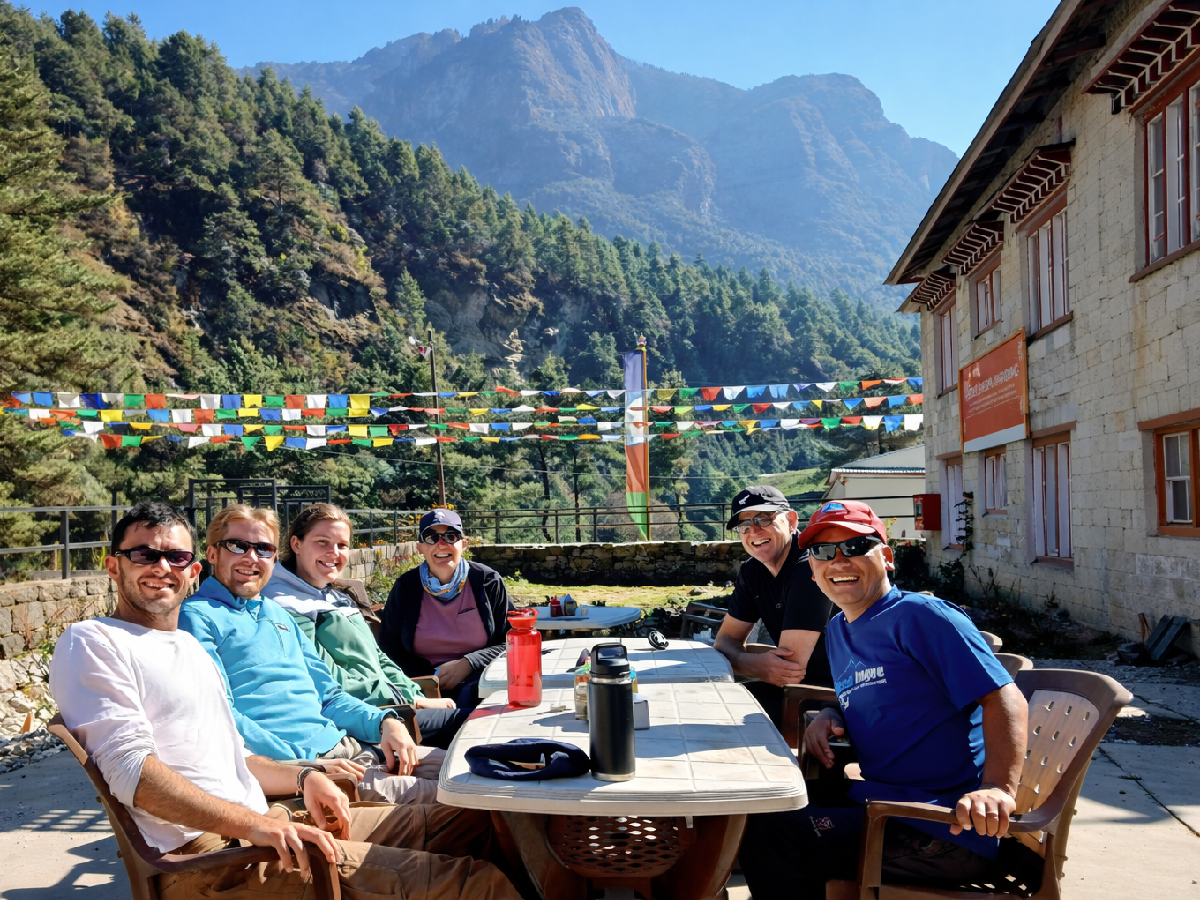
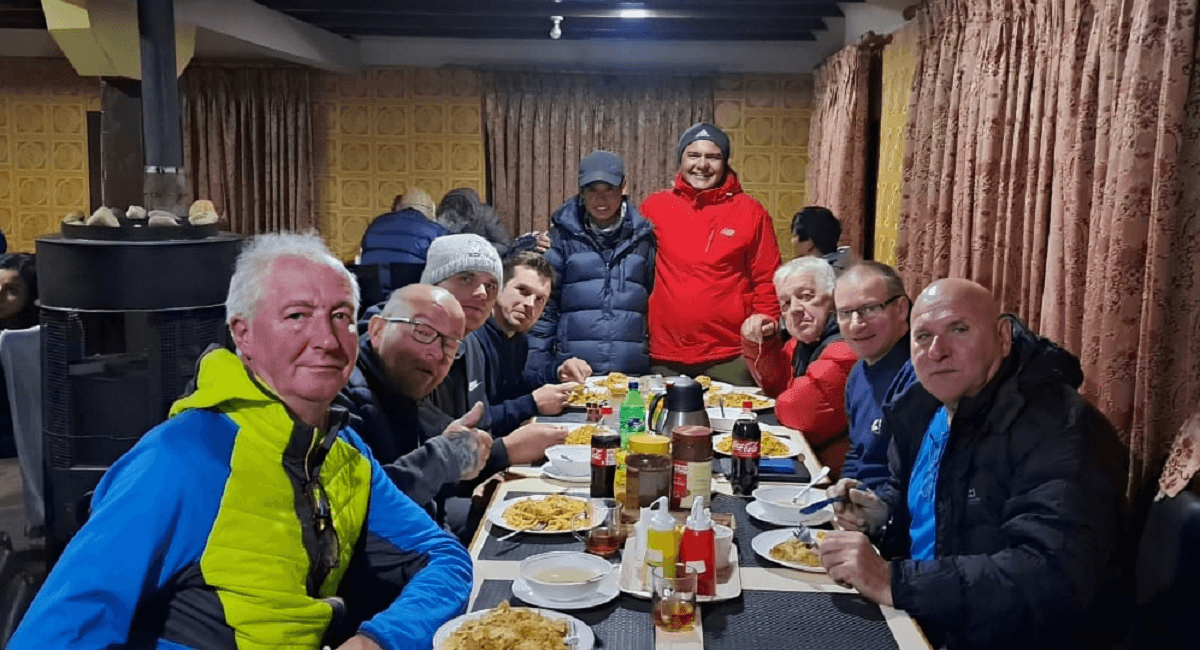
One thing you will notice quickly, as soon as you enter any teahouse in Nepal, is the common dining room that feels like the living room of the lodge. These dining rooms serve as a kitchen, a living room, and a warm social space where trekkers, guides, and lodge owners gather.
Sitting together is part of the culture
Nobody tells you that staying in the teahouses in Nepal requires embracing communal living that may feel unfamiliar at first. Honestly, the long tables in these dining rooms are more of a social architecture where trekkers from different countries and different experience levels share the same benches, often sitting shoulder to shoulder in peak dinner hours.
Whether it’s a guide sharing his summit stories, returning trekkers telling their experience, or porters talking about their daily lives, you’ll soon learn how these conversations often become the most memorable part of the trek.
Warmth comes from the stove, not your room
What people don’t realize is that room heating in teahouses at higher altitudes is almost non-existent. No matter how many blankets you pile up on the bed, your private room will always feel cold. The common dining room is where you can find the warmth in the teahouses.
We’ve noticed this warmth around the stove, creating a natural pattern among trekkers where they arrive at the lodge, keep their bags in their rooms, and return to the dining area to enjoy the cozy environment along with the locals and fellow travellers. This is where you will spend most of your evening: drinking tea, charging devices, sharing stories, and warming yourself before heading to bed.
Ordering Food is More Than Just a Menu Choice
The dining room is more than just a place to eat; it is where the teahouse's economy operates. You will soon learn that trekking culture in Nepal has developed a food system that focuses on nutrition and efficiency rather than comfort and convenience, making it ideal for long trekking days. What you order not only affects your energy level but also how smoothly the teahouse operates here in the mountains.
Dal Bhat Comes With Expectations
There is a popular phrase you will hear quite often while trekking in Nepal: “Dal Bhat Power, 24 Hour”, and the locals genuinely mean it, as it comes with unlimited refills. When you order Dal Bhat, you can always refill your plate, making it the most economical food in the mountains. In fact, you will see many guides and porters eat nothing but Dal Bhat.
Dal Bhat is one meal that's easier for the lodge's kitchen to prepare consistently, and as it turns out, it helps keep balance between the trekkers and lodge operations.
Ordering late affects everyone
One thing you learn quickly is that the kitchens in the mountain teahouses operate on a very tight schedule. Usually, there is a single kitchen staff member who prepares and serves meals to every trekking group in the lodge while following a careful order to maximize efficiency in the kitchen.
Now, in a situation like that, imagine someone wanders in late, requesting a complicated meal. This directly affects the staff, fuel usage, and even other trekkers waiting for their meals. Many trekkers underestimate how complicated the food systems are in the mountains. The ingredients arrive on foot or by mule, power is limited, and cooking takes time. A single delayed order could disrupt the flow of the entire teahouse.
Charging Phones and Hot Showers Have Their Rules
The two questions we get asked the most by our clients are “Do teahouses in Nepal have wifi?” and “Do teahouses in Nepal have hot showers?” The answer is yes, but with limitations, as they depend heavily on the limited power source and water infrastructure in the mountain.
Power is limited at higher altitudes
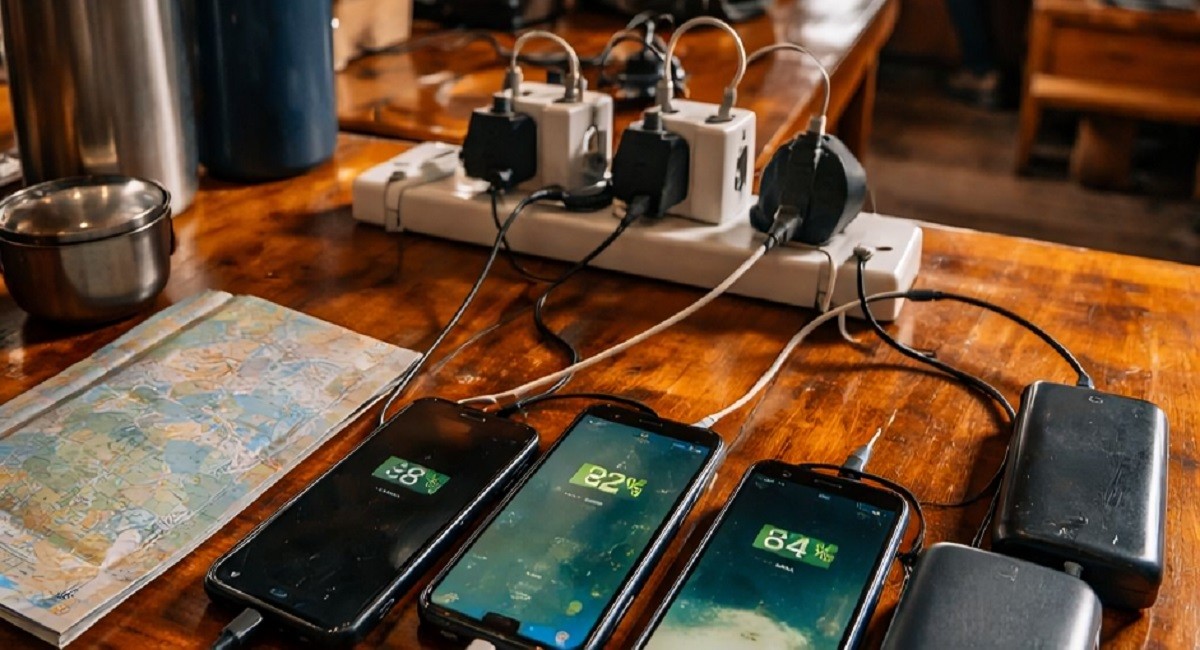
It's a well-known fact that electricity can be highly precious above 3,000 meters. While the low-altitude teahouses have a reliable power supply, high-altitude lodges depend on solar panels or limited generators. Trekkers need to be ready for frequent power cuts in higher-altitude areas and understand that the electricity is highly prioritized for essential lodge operations.
What catches trekkers off guard is the communal charging setup. Here, you will hand over your phone to the lodge owner, who plugs it into a power strip, often managing multiple devices simultaneously. When you plug in your device, you are using a limited power supply, and it's the reason why charging electronics on trekking routes often comes with a small fee, helping lodges cover fuel and maintenance costs.
Hot showers are a rare treat
Believe it or not, many teahouses in Nepal offer hot showers, but they are considered a luxury rather than a standard feature. Heating water requires fuel, time, and effort, which is why lodges charge separate fees for hot showers depending on the altitude and heating method. That’s why a shower feels like a special treat rather than a routine comfort
Many of our clients tell us how something as simple as a hot shower feels luxurious after days of trekking.
Rooms Are Simple - Expect Modesty
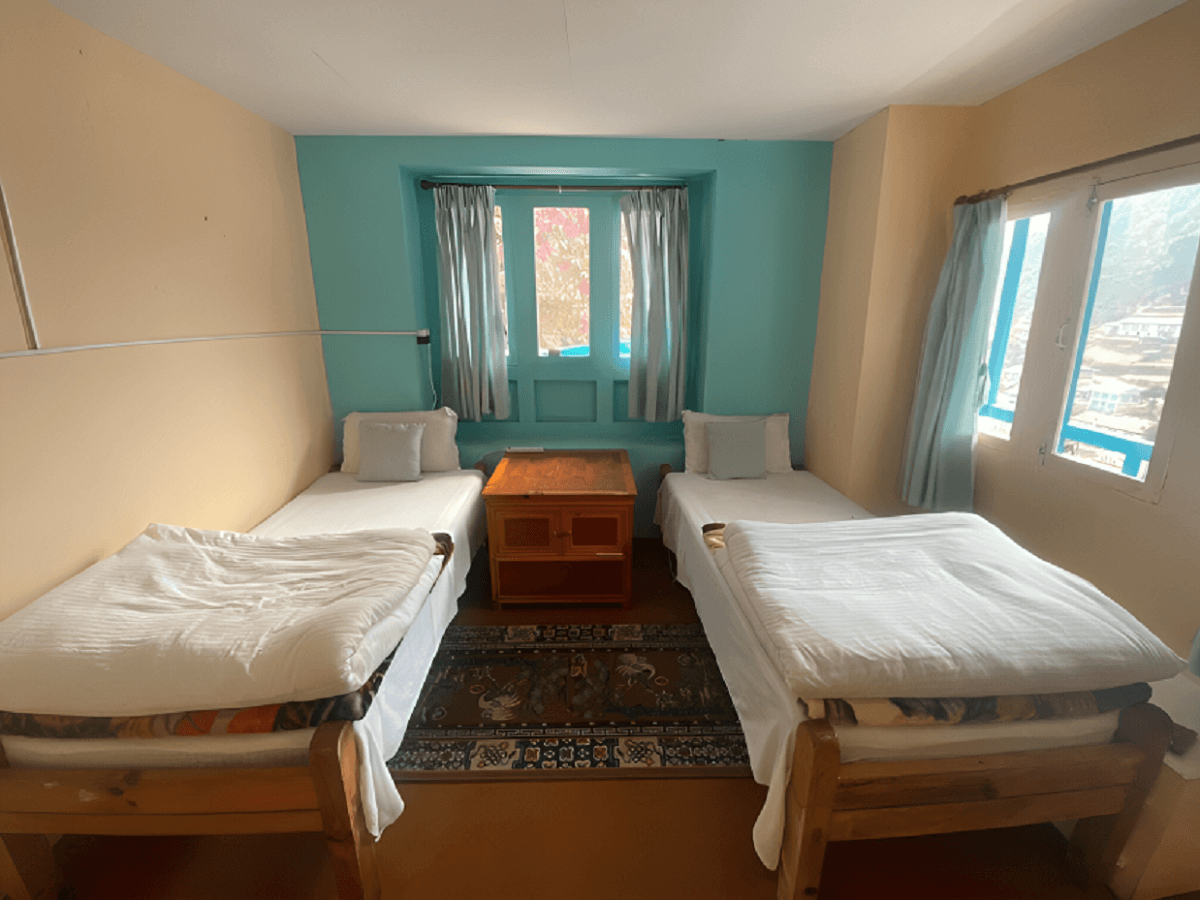
If you’re used to backpacker hostels abroad, teahouse accommodation in Nepal can feel surprising as they are designed for functionality rather than comfort. Expect your private room to have a bed (or two), a few thin mattresses, a pillow, and minimal furniture.
Noise travels through thin walls
It’s funny how trekkers expect a peaceful night after a long day of trekking, until you’re lying on your bed listening to your neighbour’s conversations. What many people don’t realize is that these teahouses use thin plywood for interior walls, making the sound insulation completely nonexistent.
Because sound travels freely, teahouses develop an unspoken etiquette that everyone quickly learns. Late-night conversations stay quiet. Morning packing is done with consideration for people still sleeping. Alarm clocks are turned off quickly. We always recommend our clients to use headphones for music or videos rather than playing them through the device's speakers.
Cold nights are normal
Nobody warns you about the actual importance of a sleeping bag in the mountains of Nepal. We have seen people assume that paying for a private room includes heating facilities as well. But in reality, room heating and an attached bathroom are rare luxuries only available at lower-altitude lodges. However, some lodges may provide electric blankets for an additional cost.
While staying in the mountains, the cold is part of the experience, and it quietly reminds us that nature sets the rules here.
Respect Creates A Better Environment
From our experience, the problems arise when trekkers bring a hotel mindset into teahouses. Travellers need to understand that these are mountain homes and not some resort. Once you embrace what they truly are, your relationship with both the place and its people becomes meaningful.
Lodge owners are hosts, not hotel staff
One thing you will quickly notice is that the people running these teahouses are the same families that have been living in these mountains for generations. One common mistake trekkers make is misunderstanding these people for trained hospitality professionals. They are simple people living in the mountains who opened up their homes to trekkers as tourism developed.
But this doesn’t mean the service they provide is poor. These people are popular for their warm hospitality as they treat you as part of their family. The unspoken rule is simple: you treat them the same. You will notice that direct, polite requests work better than hints or complaints. Once you start doing that, you will realize how much better your trekking experience becomes.
Small gestures matter more than tips
Many trekkers underestimate how much their behaviour influences the teahouse environment for everyone. People assume tipping is the best way to show gratitude, but small gestures of respect are what matter more to the lodge owners.
While tips are appreciated, gestures as simple as basic Nepali greetings, showing patience, helping the locals, and offering to teach lodge kids a few words often create a kind of goodwill that money can’t buy.
At Marvel Adventure, we prepare our clients not just for the trails but also for the culture of the mountains. Understanding these small etiquettes enhances the overall trekking experience.
Timing Matters More Than You Realize
We’ve learned that the teahouse schedule only appears irregular until you see the pressure the lodge owners manage each day. Arrival time matters a lot more than many trekkers realize, as it can influence your entire stay.
Early arrivals get better rooms
One thing you learn fast is that arriving early means better room options, especially in peak trekking season in Nepal. We have had clients arrive at teahouses as early as 2:00 PM, enjoy first pick of rooms, while those showing up closer to 5:00 PM often end up with limited options.
Early arrival lets you request specific rooms that face the valley with morning sun and mountain views, check mattress quality and sometimes negotiate upgrades.
Late arrivals create pressure
As it turns out, arriving late at lodges can create pressure for everyone. Kitchen staff must restart cooking. The dining room stays open later, and staff who have been working since morning can’t finish their day early.
Understanding that your arrival time not just affects your experience but everyone else’s creates a motivation to plan daily distances that allow reasonable arrival timings.
Why These Unwritten Rules Make Trekking Fun
Teahouse etiquette in Nepal isn’t about rules but about respect. When you understand how mountain lodges truly operate, you gain a deeper cultural connection and a more fulfilling trekking experience. Here’s what you gain:
- You form a real connection with lodge owners and not just some customer interactions, which leads you to insider trail tips and invitations to family spaces most trekkers never get to see.
- When you show respect and awareness in your interactions with Himalayan communities, you set a positive example for future trekkers.
- In the mountains, teahouse life teaches you about community, thoughtfulness, and how shared spaces succeed when everyone looks out for one another.
- You recognize that all the small discomforts aren't deprivations but gateways into experiencing how mountain people actually live.
- By respecting the limits of electricity and other resources, you understand the mountains more authentically than any high-luxury lodge could offer.
- Shared dining rooms and communal spaces create lasting friendships and memorable conversations, creating experiences trekkers carry for a lifetime.
- One thing you quickly notice is how scarcity teaches patience, gratitude, and appreciation for basic comforts.
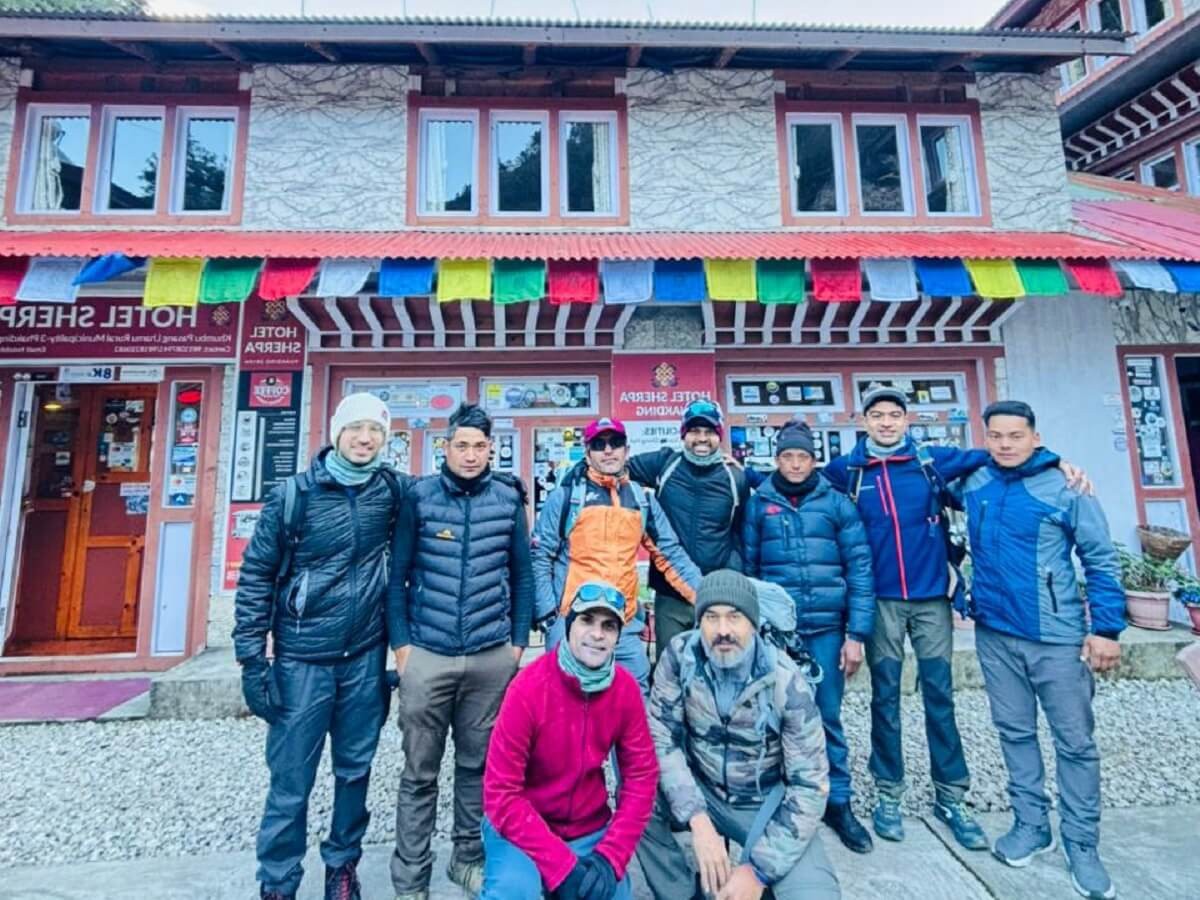
Following unwritten teahouse rules isn’t about any restriction, but about connecting to the mountain culture that existed long before tourism
The unwritten rules of teahouse accommodation in Nepal are simply invitations into a way of life that has been sustaining the mountain communities for decades. What seems like a simple lodge is actually a balanced ecosystem where warmth, food, shelter, and human connection coexist in harmony despite being in harsh conditions.
Even if you don’t follow these etiquettes, you will still see the mountains you came to see. But, you would miss the true experience of the mountains that separates a tourist from a traveller. This ultimate experience is what makes staying in teahouses in Nepal unforgettable.
Years later, after your trek, you might not even remember the peaks you saw in Nepal. But you will definitely remember helping the locals carry wood, playing with kids in the Himalayas, and listening to the summit stories of the locals.
When you enter a teahouse, you’re not just entering a building. You’re stepping into a culture that has redefined the art of mountain hospitality into something graceful. So when you finally arrive at a teahouse, take a moment before unpacking. The peaks can wait for another hour. First, understand how to be a good guest in the Himalayas. Everything else follows from here.
If you'd like to experience this authentic side of the mountains with the team that best understands these unwritten rules, Marvel Adventure is always ready to welcome you.
FAQs about Teahouses in Nepal
Do Teahouses in Nepal have private rooms?
Yes, most teahouses in Nepal offer simple private rooms with twin beds. However, during peak trekking seasons, the availability depends on arrival time.
Do teahouses in Nepal have attached bathrooms?
Attached bathrooms are rare at higher altitudes, as most lodges provide shared toilets. While lower-elevation teahouses will offer limited attached bathroom options.
Do teahouses in Nepal have heating?
Your bedroom usually does not have heating. Warmth is typically available in the common dining room through a central stove.
How much do hot showers cost?
Hot showers usually cost between NPR 300 - 800, depending on altitude and fuel availability.
Can you charge phones in teahouses?
Yes, charging is available in most teahouses for an additional fee, especially at higher elevations where power is limited.
Is Wifi available in teahouses?
WiFi is available in many popular trekking routes, but the connection can be slow and unreliable at higher altitudes.