Everest Base Camp Trek Experience: Things Nobody Tells You

  • Feb 17, 2026
  • Marvel Adventure
  • 30

everest base camp trek experience

Most Everest Base Camp blogs focus on practical details like packing lists, best trekking seasons, and what to do, often making the journey about a structured itinerary rather than the experience lived. We’ve noticed none of that actually prepares you for what the trail really feels like.

The true Everest Base Camp reality is not about the schedules and altitude figures, but about the small, surprising moments that reshape how you see the journey.

This blog from Marvel Adventure isn’t a guide. It’s more like sitting down with someone who’s actually been there, someone who remembers the details that you won’t find in some guide or photo captions. The things that caught us off guard. The small details that made the Everest Base Camp trek real and unforgettable.

What to expect on the Everest trek usually sounds really amazing online, but the truth lies in small moments that only make sense when you are out there. Because honestly, the Everest Base Camp trek difficulty isn’t always what you expect it to be.

Table of Contents

You feel tired earlier than you expect

Trekkers naturally assume that the hard part would come later, somewhere above Namche (3,440 m), when altitude starts affecting their lungs. Turns out, they are affected by fatigue much earlier. The trail from Lukla to Namche doesn’t test you with altitude, but with uneven, endless stairs waiting around every corner. As we move forward, the constant climbing and the weight of the pack drain your energy much faster than you expect.

Most trekkers expect altitude to be the hardest part of the trek. In reality, it's the terrain that really tests you. You are stepping across unstable stone paths, crossing gently swaying suspension bridges, and moving through landscapes that simply never give your legs a break. Your body gets tired from continuously walking through these mountain landscapes, not from gasping for oxygen. That part comes later on.

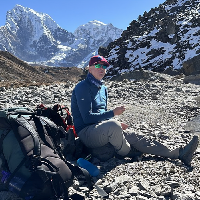
everest base camp trekking trail

Cold is manageable, Wind is the real challenge

Everyone is mentally prepared for the cold as we pack layers, gloves, a good jacket, and all other required trekking gear. However, wind is what most trekkers find surprising. Above Dingboche (4,410 m), you will feel the wind gets sharper as it cuts through the layers of your clothes and even shakes your balance when standing still.

Nobody warns you about how the wind can turn a perfectly tolerable temperature into something that makes you pull your hood tighter and duck your head. The Everest Base Camp trek reality is that many trekkers underestimate the wind exposure.

We have watched people in down jackets shivering because the wind cut through the opening. Yes, you will be warm when you are sitting in the common dining room of a teahouse. But it’s about the moments outside, such as waiting for Kalapatthar sunrise view or walking between teahouses, when the wind makes you realize the real challenge that lies in these treks.

Crowd comes in waves, not constantly

We had a few clients who imagined a constant stream of trekkers moving slowly towards the base camp. But the truth is slightly different. Early mornings can feel crowded, especially when groups leave the lodges around the same time. By afternoon, the trail often empties, and the path feels unexpectedly quiet.

As it turns out, teahouse life in Nepal has its own timing. You will share breakfast with several other groups in the morning and have an entire ridgeline to yourself by afternoon. You will soon learn that the trail experience shifts throughout the day, depending on time, not just season.

Food gets better as you go higher

In general, you would expect Dal Bhat to taste the same as what you have been eating throughout the trek. This is where most trekkers are caught off guard. Maybe it’s because the higher lodges get few trekkers, or the fact that you have been walking constantly for 6 hours, but the same Dal Bhat that you ate earlier feels way better after a whole day of trekking at an altitude above 4,000 meters. It's funny how fewer menu choices often lead to more satisfaction.

food at high altitude trek

In reality, when you’re tired, when your whole body aches, when you have been walking for hours through the cold, even simple food tastes extraordinary. It is simply how psychology plays into taste. The Dal tastes amazing. The tea feels warmer. A plate of simple snacks feels something worth remembering. This is the beauty of these teahouses in Nepal: it teaches you that comfort isn’t about variety but about warmth and timing.

Altitude affects sleep before breathing

Everyone talks about altitude sickness and their symptoms in detail. Although for most trekkers, altitude announces itself quietly. Honestly, before your breathing feels different, the nights become lighter. It just starts with your sleep. You might wake up more than usual and just lie there, not quite uncomfortable but not quite right either.

The fact is, when Everest Base Camp trek acclimatization begins, sleep is often the first thing to change. You need to understand that altitude doesn’t always cause headaches. Sometimes it starts with broken sleep, a subtle sign that your body is adapting to higher elevations.

Base Camp is not the emotional peak

Just like most of the other trekkers, you would assume that standing on the Everest Base Camp (5,364 m) would be the emotional climax; the sense of arrival, the Instagram photo, the reason behind the journey. And yes, it does matter a lot. But truthfully, it’s not where the trek hits hardest on an emotional level.

For us, and many trekkers we guided, the Kalapatthar sunrise view is what stays. Maybe it’s because of that quiet moment when the first ray of sunlight touches Everest’s face.

The reality is, when you are up there, it stops being about reaching a destination. It rather becomes about something so rare that it feels bigger than the trek itself. This feeling makes you understand that sometimes the smaller moments carry more weight than the milestone.

Trail is more about people than peaks

When trekkers plan an Everest Base Camp trek, they focus on the mountains, the views, and the famous names along the trek. But as you return from the trek, what actually fills your memory is the people of the Everest Region.

The smile on your porter’s face while carrying heavy weights, the guide sharing a story about one of his Everest summits, and sharing tea with other trekkers from a different part of the world; these are the moments you will cherish forever.

One thing you learn quickly is that the true Himalayan experiences are built through acts of kindness. We often tell our clients that they may not remember every peak they saw during the trek. Still, they will definitely remember the small gestures from locals, the shared moments of laughter, mutual support, and the unexpected friendships they made along the way.

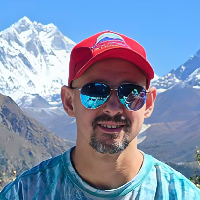
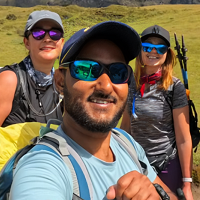
happy clients at ebc trek

Even simple things feel luxurious at high altitude

Most trekkers feel that comfort takes on a new meaning at higher elevations. Somewhere above Dingboche, we started noticing how good the simple things felt. A cup of hot tea, a soft blanket in the evening, and a small bench outside the teahouse with a great view. These things aren’t luxuries and might feel very ordinary at home. But maybe it's the trekking fatigue that makes these simple things genuinely special.

It’s funny how your standards shift in the high elevations of the Himalayas. You stop caring about Wifi, hot showers, or any workload in your daily life and start caring about warmth and all those small comforts that make you feel happy in a true sense while you are above 4,000 meters.

You notice details that never appear in photos

Lenses can never capture the details that you see through your eyes. You might be scrolling through your social media, watching all the big stuff like sunrise at Kalapatthar (5,545 m), the magnificent view of Ama Dablam during the trek, the beauty of Namche Bazar, and the prayer flags at the base camp.

What these social media posts won’t show you is the sound of yak bells echoing throughout the trail and the inner peace you feel as you take a sip of your tea while watching the majestic view of some of the highest peaks in the world.

Believe it or not, some of the tips we would give have nothing to do with your itinerary. They are more about paying attention to the details that you might miss. The way the locals greet eachother. The stones stacked by pilgrims. The small moments, such as children playing in the village, an old farmer carrying a load uphill, and a woman spinning prayer wheels. These details don’t fit into your EBC itinerary, but they’re what make the trek feel alive.

Descending feels like a different trek

Going down brings a strange nostalgia. You notice things that you might have missed on the way up. You recognize the teahouse where you slept and had your lunch, the familiar faces that provided great hospitality a few days ago, and the turns in the path. Also, the physical relief is real while descending, as you feel your lungs work better and your energy returns.

One thing you will notice is the change of perspective during the descent. The same stairs that felt impossible on the way up to Namche now seem manageable. The swaying suspension bridge that felt scary now seems to be fun. What felt urgent now feels gentle.

In reality, the Everest Base Camp trek experience doesn’t end at base camp, but continues all the way back to Lukla. You are no longer pushing toward a goal. You are simply walking, remembering all those beautiful moments and letting the trek settle into you.

Conclusion - The Everest Base Camp Trek Reality

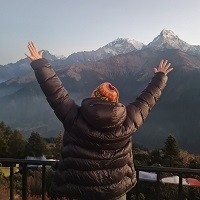
sunrise over everest from kalapatthar

The Everest Base Camp reality isn’t what most blogs prepare you for. It's more about the experience and noticing what happens along the way, rather than just conquering the trail. The truth about what to expect on the Everest trek isn’t one big moment. But it’s hundreds of those small moments that add upto something you will carry for your entire life.

When people ask us about the Everest Base Camp experience, they usually expect stories about the destination. But the reality is, what stays with you isn’t just the base camp sign or the viewpoint.

It’s the early fatigue upto Namche, the wind above Dingboche, the broken sleep that quietly signals you your body is adapting, and the laughter inside the teahouses after a long day of walking. The trek is something that stays with you in ways that you won’t fully understand until you are back home.

If you’re thinking about doing the EBC trek for the first time or returning for a deeper Himalayan experience, our helpful, caring, and professional team would be honoured to walk the legendary trail with you.

At Marvel Adventure, we don’t just guide you to Everest Base Camp; we share the journey the way it’s meant to be experienced. Talk to our Everest specialists today and let’s plan your journey carefully.

Frequently Asked Questions

What is the Everest Base Camp trek experience really like?

The Everest Base Camp trek experience is more about how the journey slowly reshapes you. The reality is that the experience is built through quiet mornings, teahouse conversations, and moments of reflection rather than one dramatic highlight.

How difficult is the Everest trek for first-time trekkers?

The Everest trek difficulty surprises most first-time trekkers. The hardest part often comes from long stone staircases between Lukla and Namche rather than the altitude at first. With proper pacing and acclimatization days, even the EBC trek for first-time trekkers becomes manageable and deeply rewarding.

What should I realistically expect on the Everest trek?

You will experience early fatigue, changing weather, wind exposure above Dingboche, and lighter sleep at higher elevations. At the same time, you’ll notice strong community spirit, simple but comforting meals, and stunning sunrise views from places like Kalapatthar. 

How does acclimatization feel during the Everest Base Camp trek?

Everest Base Camp trek acclimatization often begins subtly. Before breathing feels noticeably different, sleep patterns may change. With proper rest days and steady pacing, the body slowly adapts, allowing you to continue safely and comfortably.

Is Everest Base Camp crowded?

The Everest Base Camp trek reality is that crowds move in waves rather than being constant. Mornings can feel busy when multiple groups depart at similar times. However, afternoons are often quieter, and certain sections of the trail feel peaceful and personal.

Is the Kalapatthar sunrise better than Everest Base Camp itself?

For many trekkers, the Kalapatthar sunrise view becomes the emotional highlight of the trek. While reaching base camp means a lot, the quiet golden light over Everest from Kalapatthar often feels more powerful. It’s less about arrival and more about reflection.

What makes the Everest Base Camp trek memorable?

The most lasting Everest Base Camp memories usually involve people rather than peaks. The trail teaches that Himalayan trekking experiences are built through connection as much as scenery.

Does food really taste better at high altitude?

Surprisingly, Yes. Trekking fatigue at high altitude increases appetite and appreciation for simple meals. A warm plate of dal bhat or a cup of tea after hours of walking often feels more satisfying than expected.

Send an Enquiry - Everest Base Camp Trek Experience: Things Nobody Tells You